Smell is one of the most immediate and emotionally powerful human senses, yet it is almost entirely absent from digital interfaces. Every day we encounter thousands of different scents, making smell one of the most essential parts of our lived experience. But can we design with smell? Can smell function as a data interface?
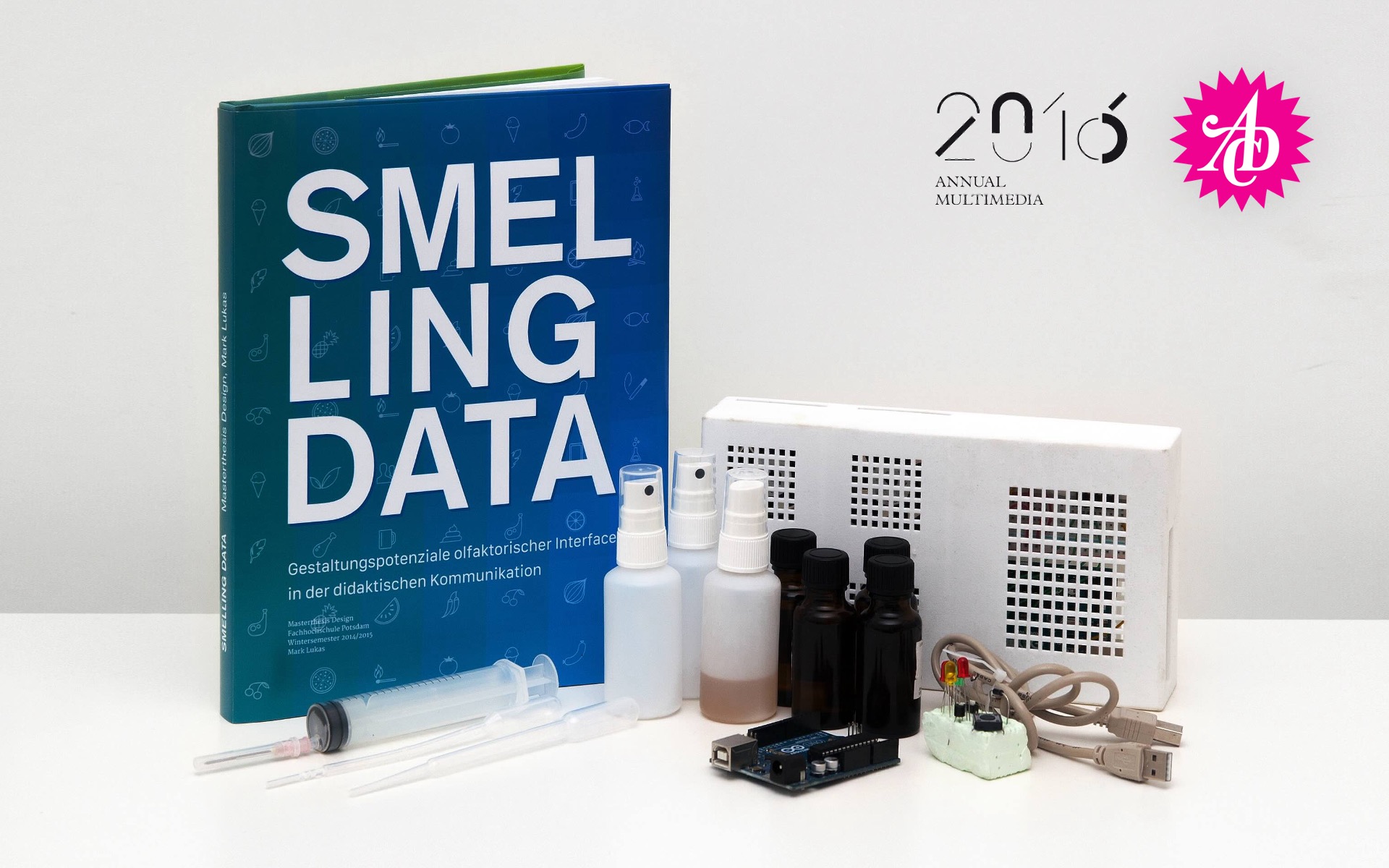
Smelling Data was developed as a Master’s thesis at the University of Applied Sciences Potsdam. It is a fully realized physical prototype and didactic toolkit that explores smell as a medium for human-computer interaction.
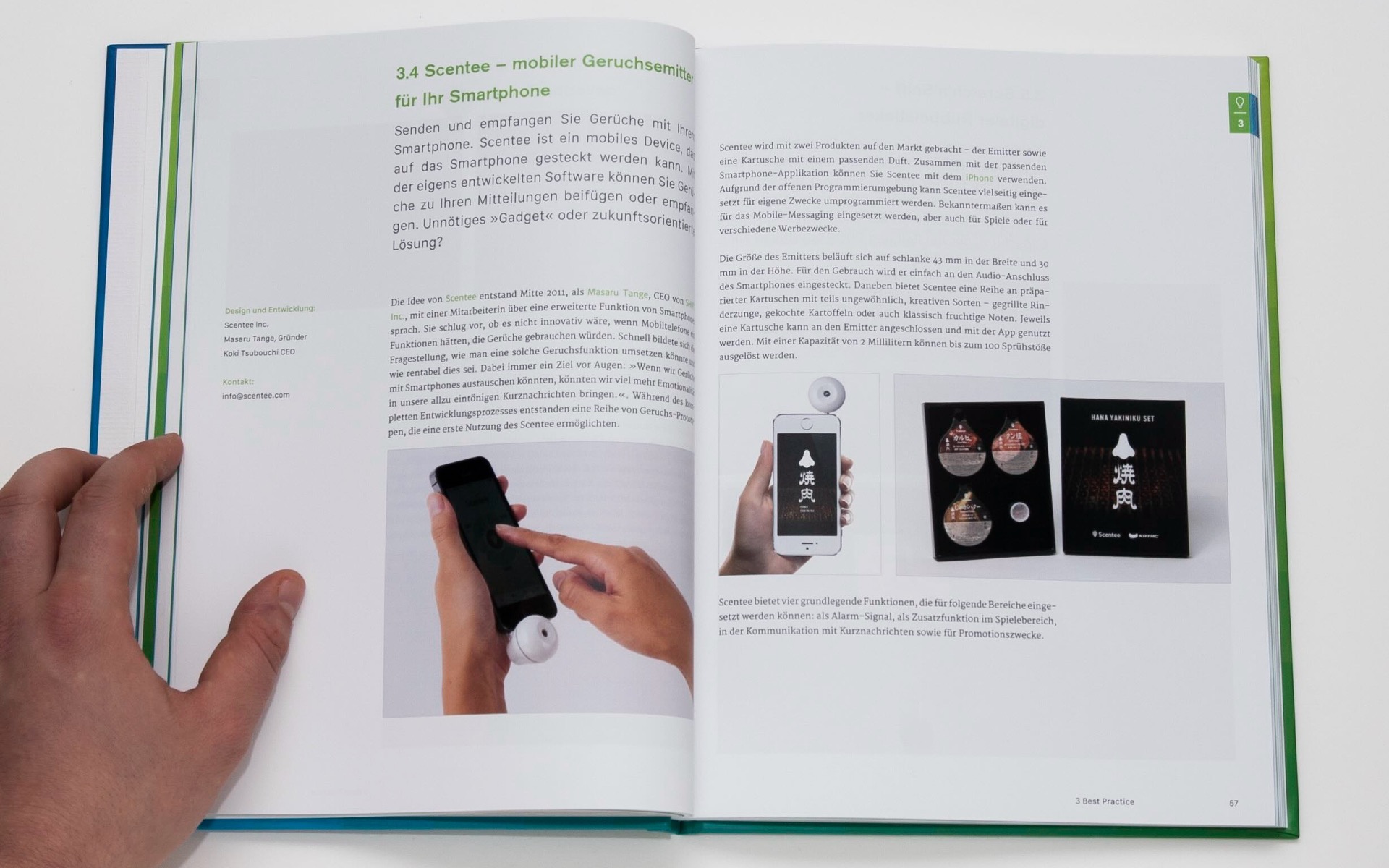
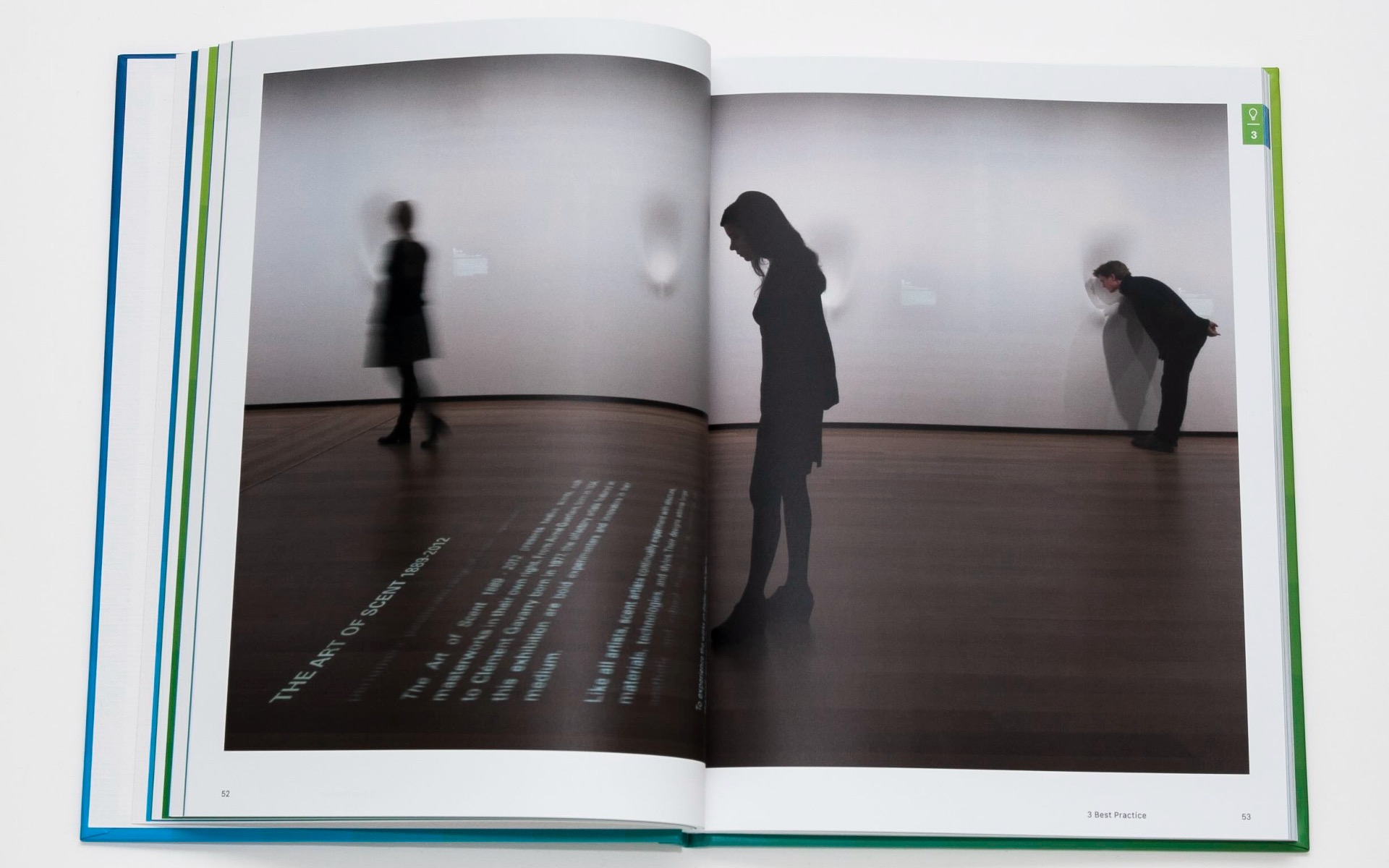
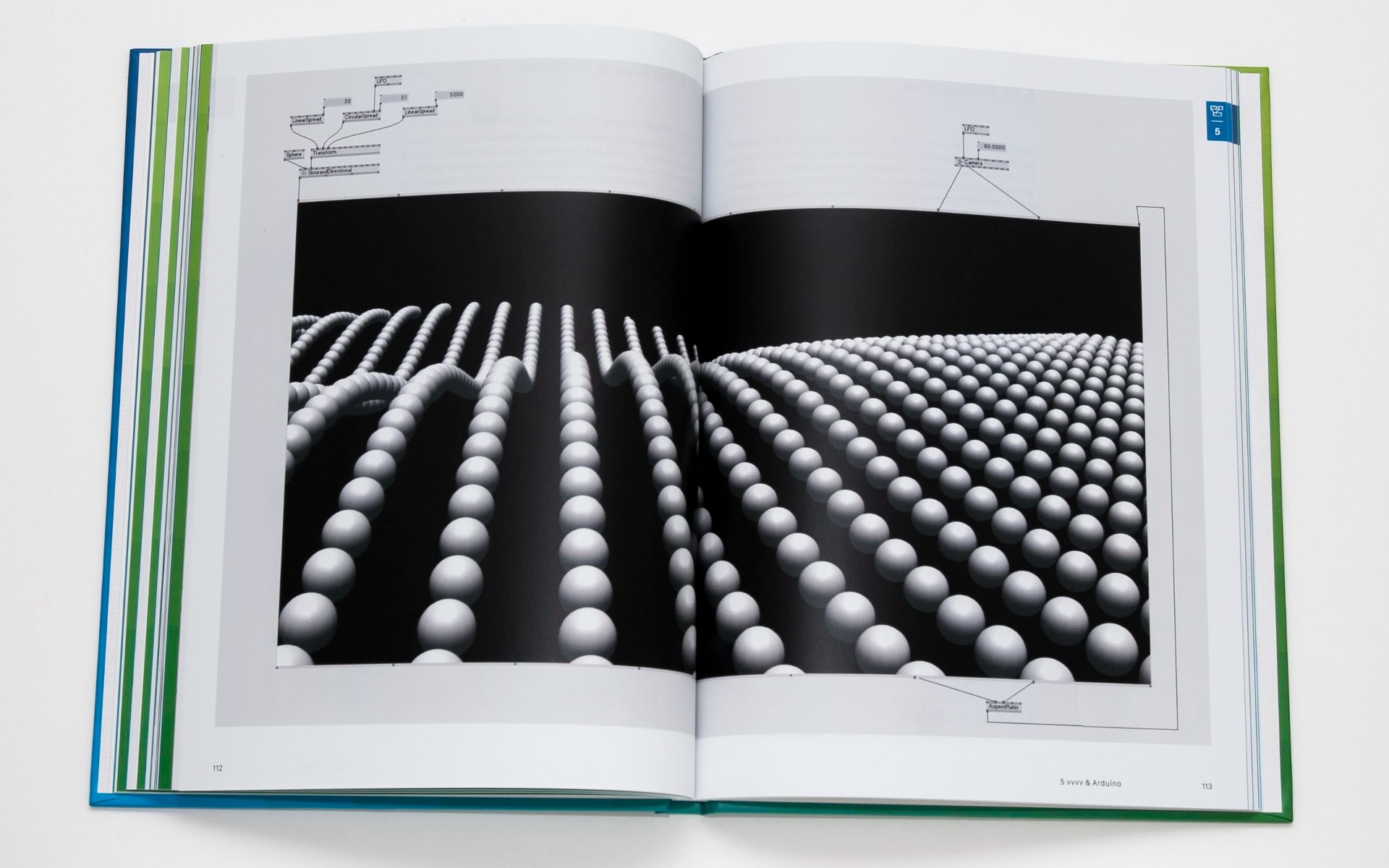
Goal 1:
Olfaction as a Data Interface
Exploring how digital data can be translated into olfactory information by making smell a carrier of meaning in the same way that visual or acoustic signals are today.
Goal 2:
Didactic Access to Physical Computing
Creating an accessible, hands-on learning tool that teaches how physical computing, sensor technology, and interface design work together through the most intuitive interface imaginable: the human nose.
Why smell? Why this approach? Most multimodal interface research focuses on voice, touch, or gesture. Smell is systematically overlooked despite being the sense most directly connected to memory and emotion. The decision to use olfaction as the research lens was deliberate: to push the boundaries of what an interface can be, and to generate insights about perception and interaction that no screen-based prototype ever could.
Chapter 1:
Philosophy & History of Olfaction
Discover the history of odor usage in industry and media whether research projects or the use of smell in didactics.
Chapter 2:
Basics in Physical Prototyping
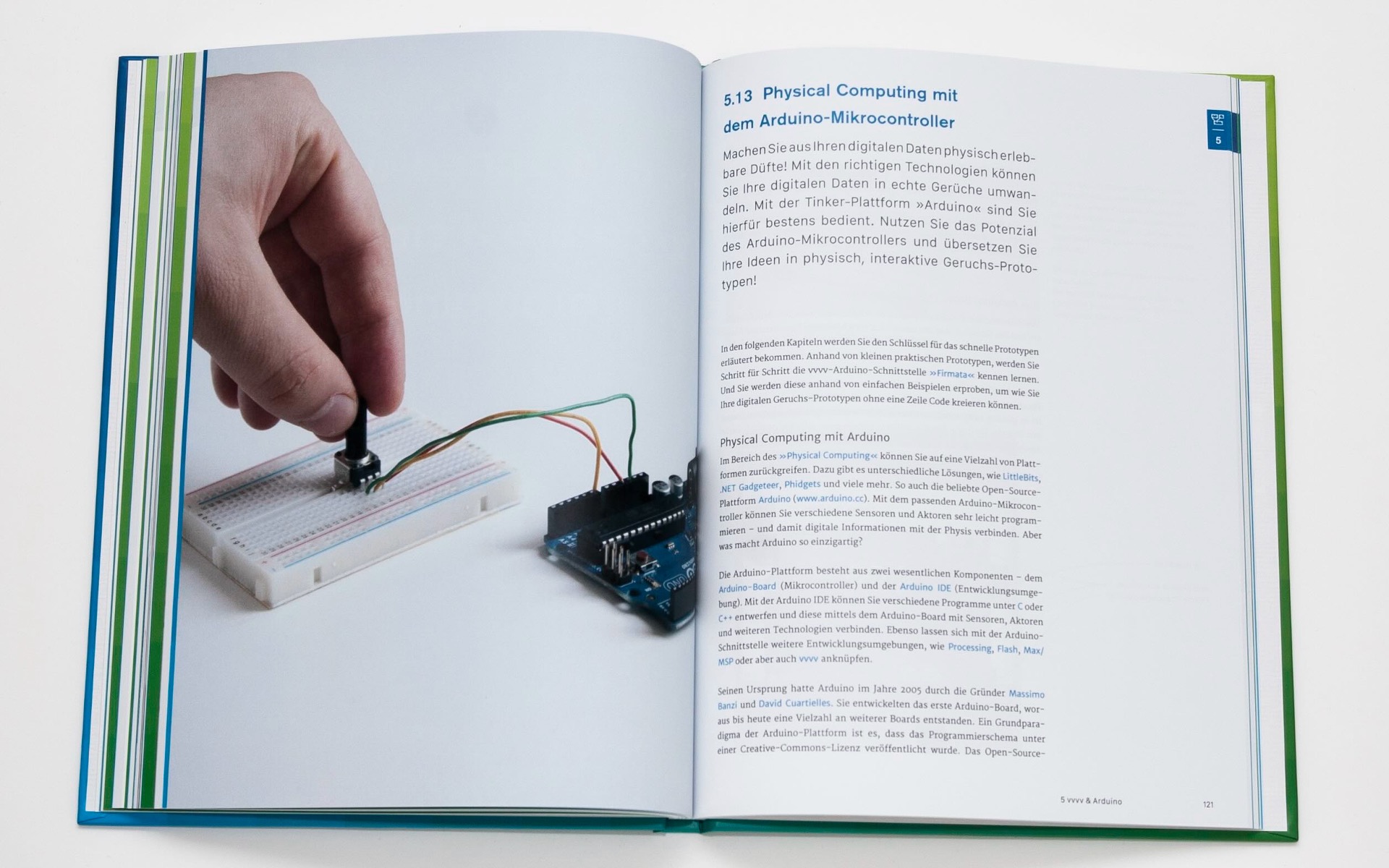
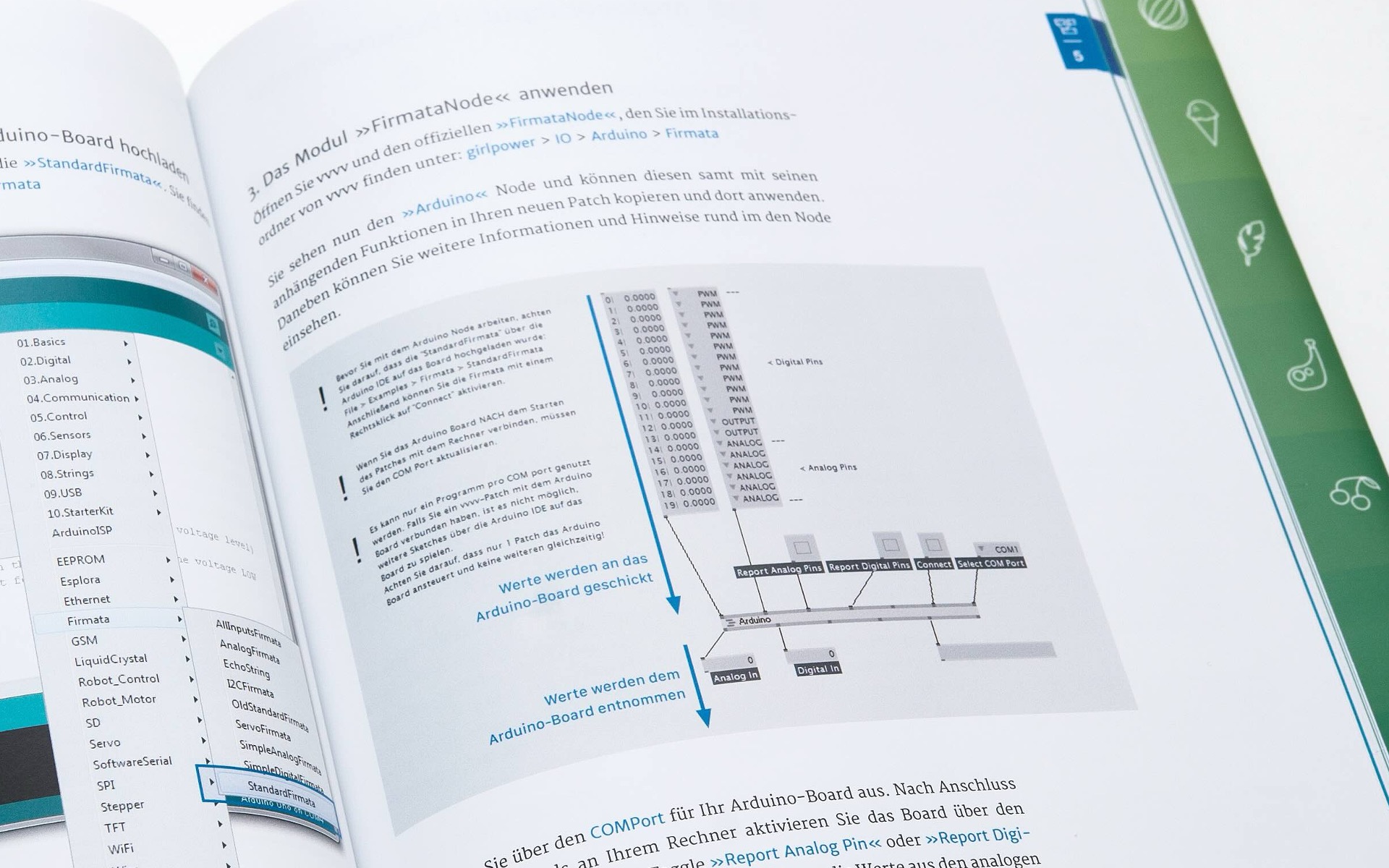
Learn the very basics of the development software Arduino in combination of vvvv. This powerful combination allows you to built up physical interactive prototypes.
Chapter 3:
Building Scent Prototypes
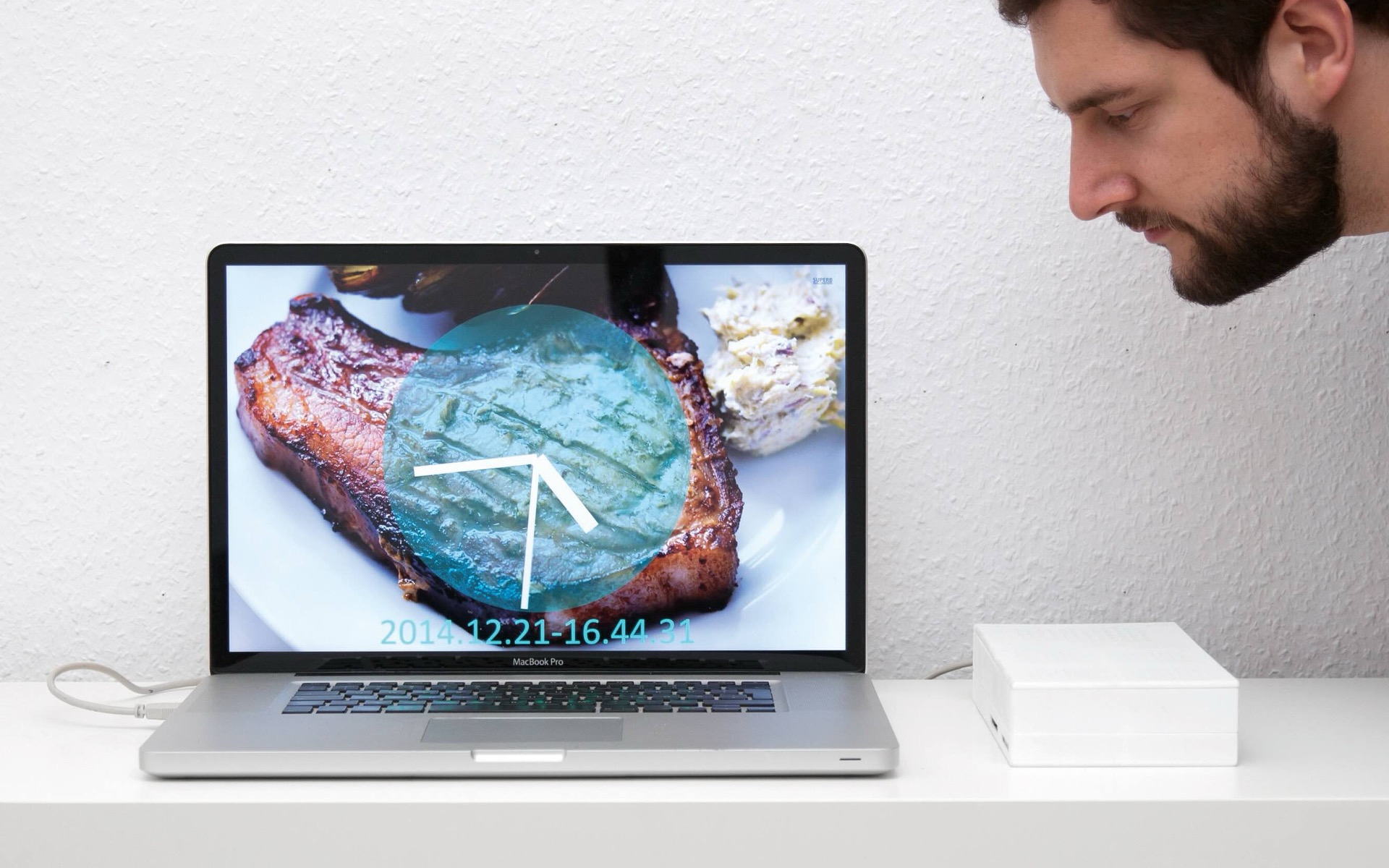
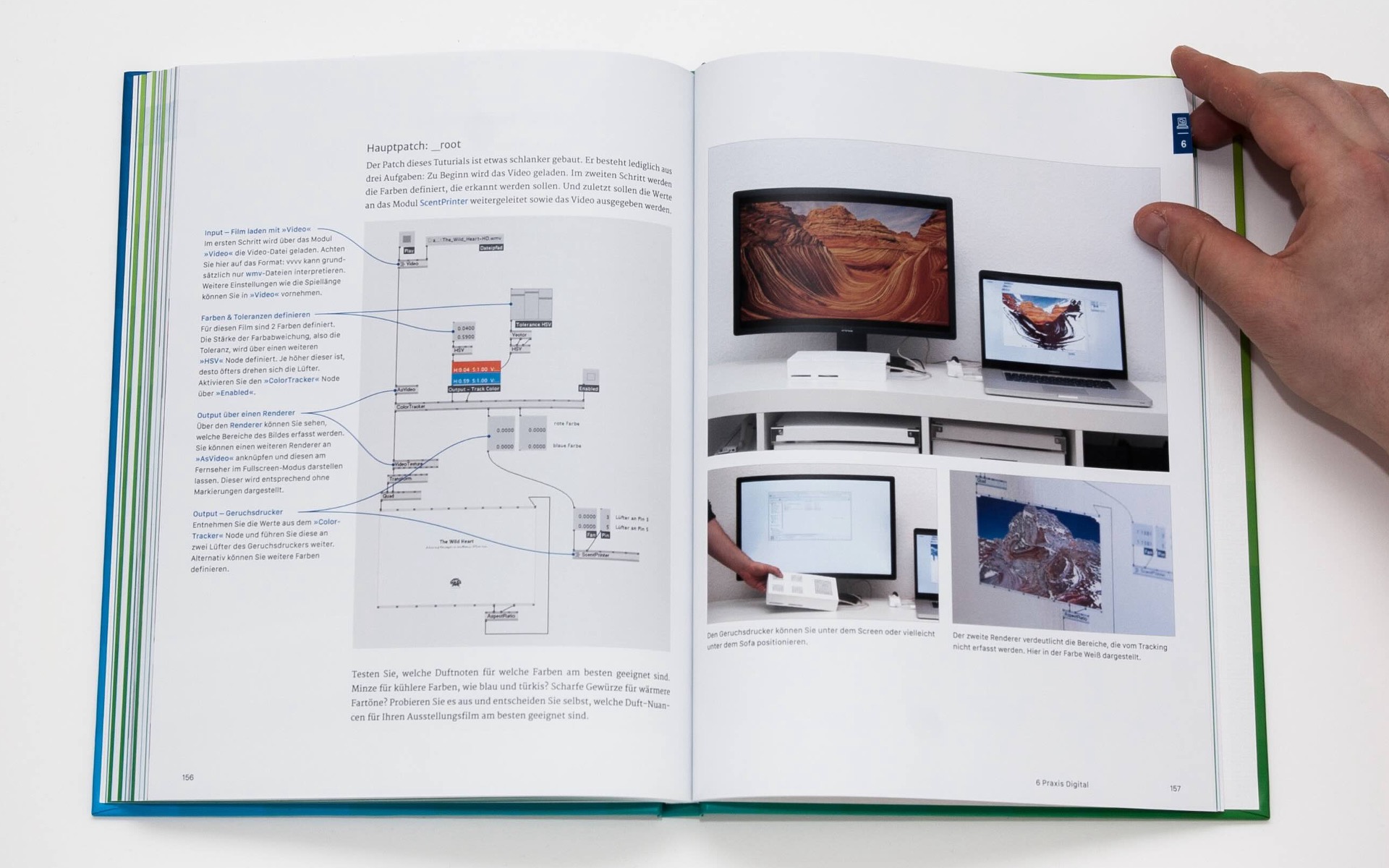
Start creating your first olfactory interfaces. The first tutorials offer basic solutions, which are non-interactive. The major tutorials allow you to combine digital data and smell experiences by using the smell printer.
Step 1:
Research & Conceptual Framing
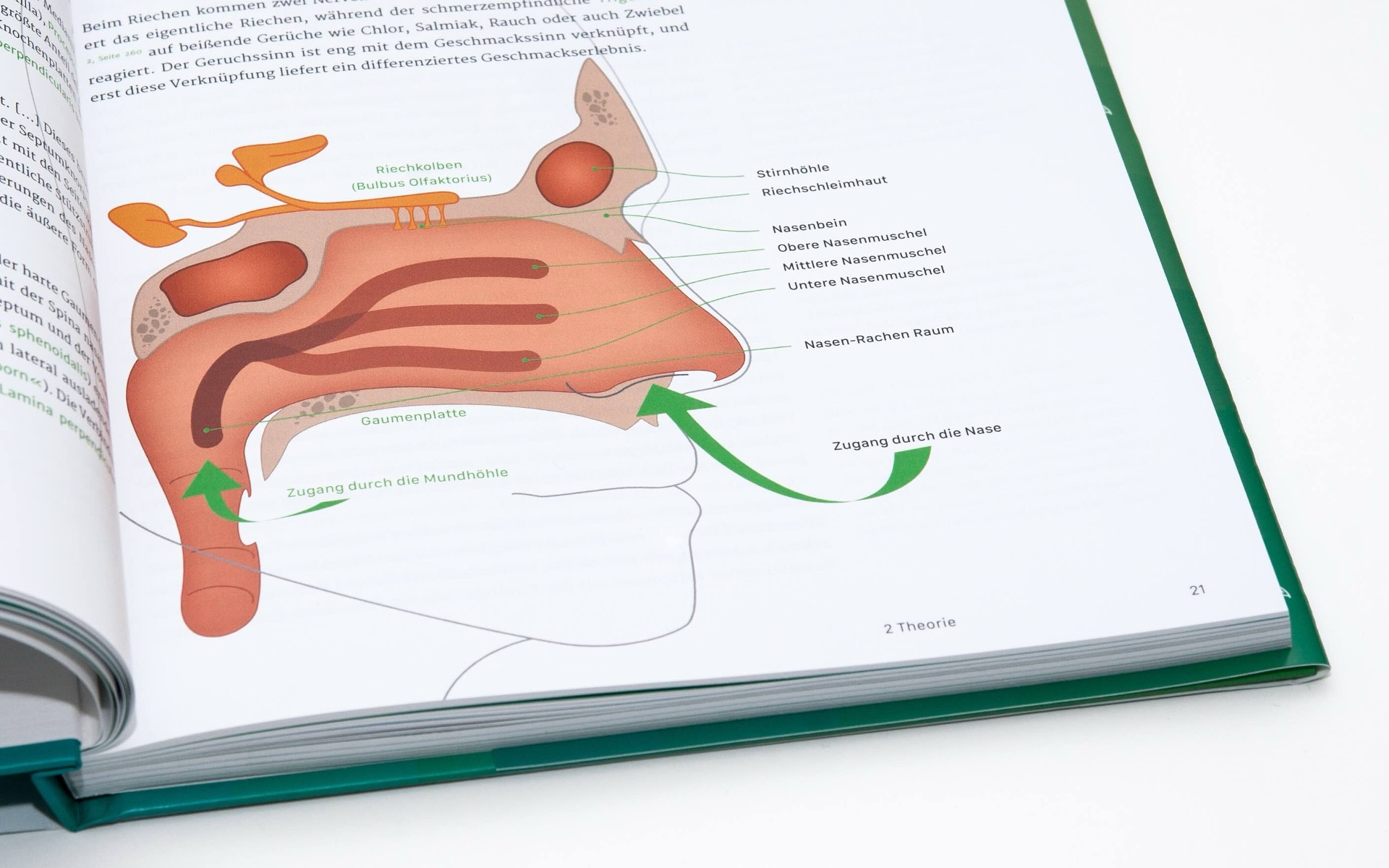
The foundation was a thorough investigation into the history and philosophy of olfaction from sensory psychology to the cultural role of smell across different contexts. Methods included desk research, sensory experiments, and analysis of existing physical computing approaches. Key questions: How do humans perceive and categorize smell? What design principles apply when the output is not visual but olfactory?
Used Methods:
- Desktop Research
- Brainstroming
- Low Fidelity Prototyping
Step 2:
Design of the Scentprinter
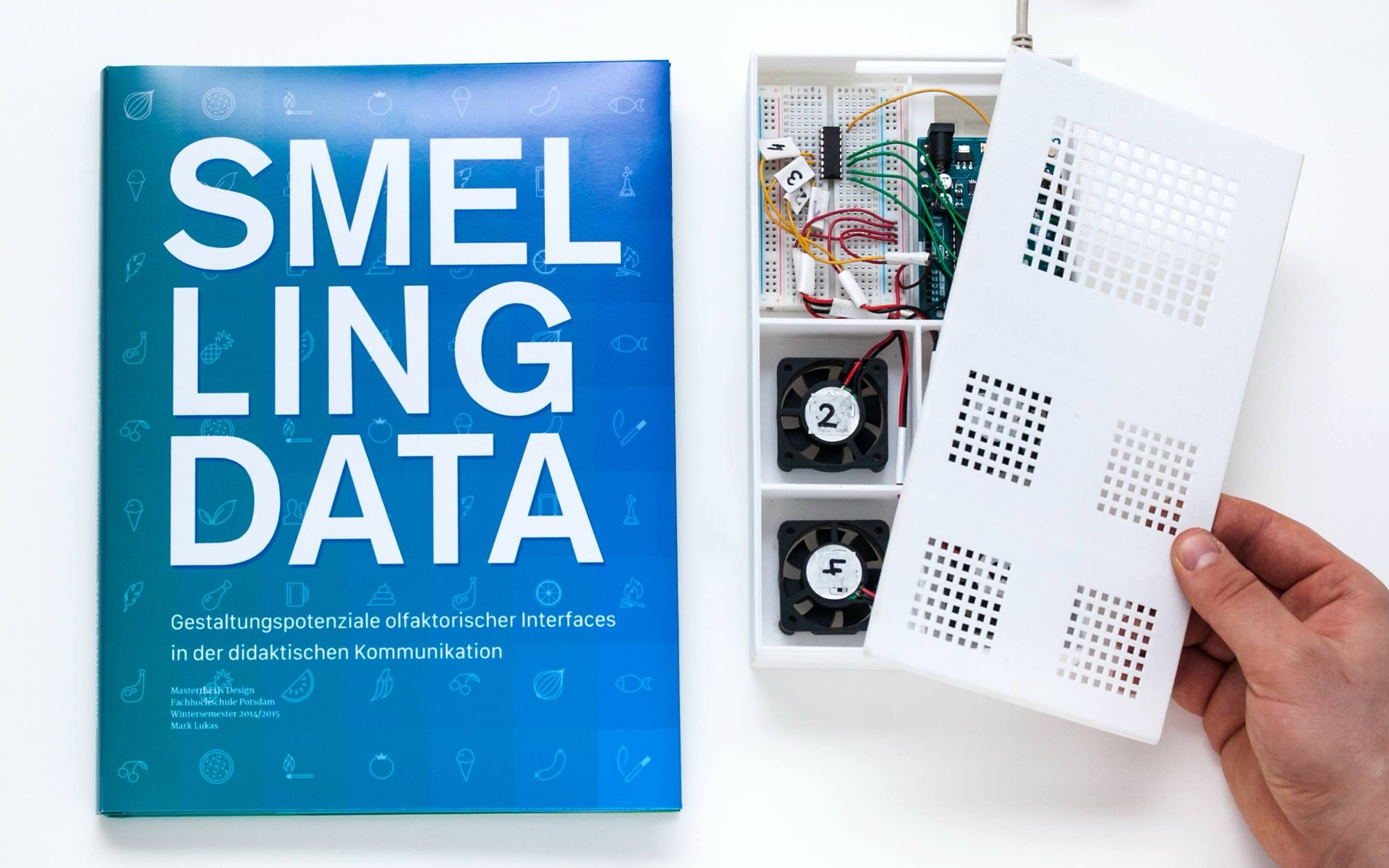
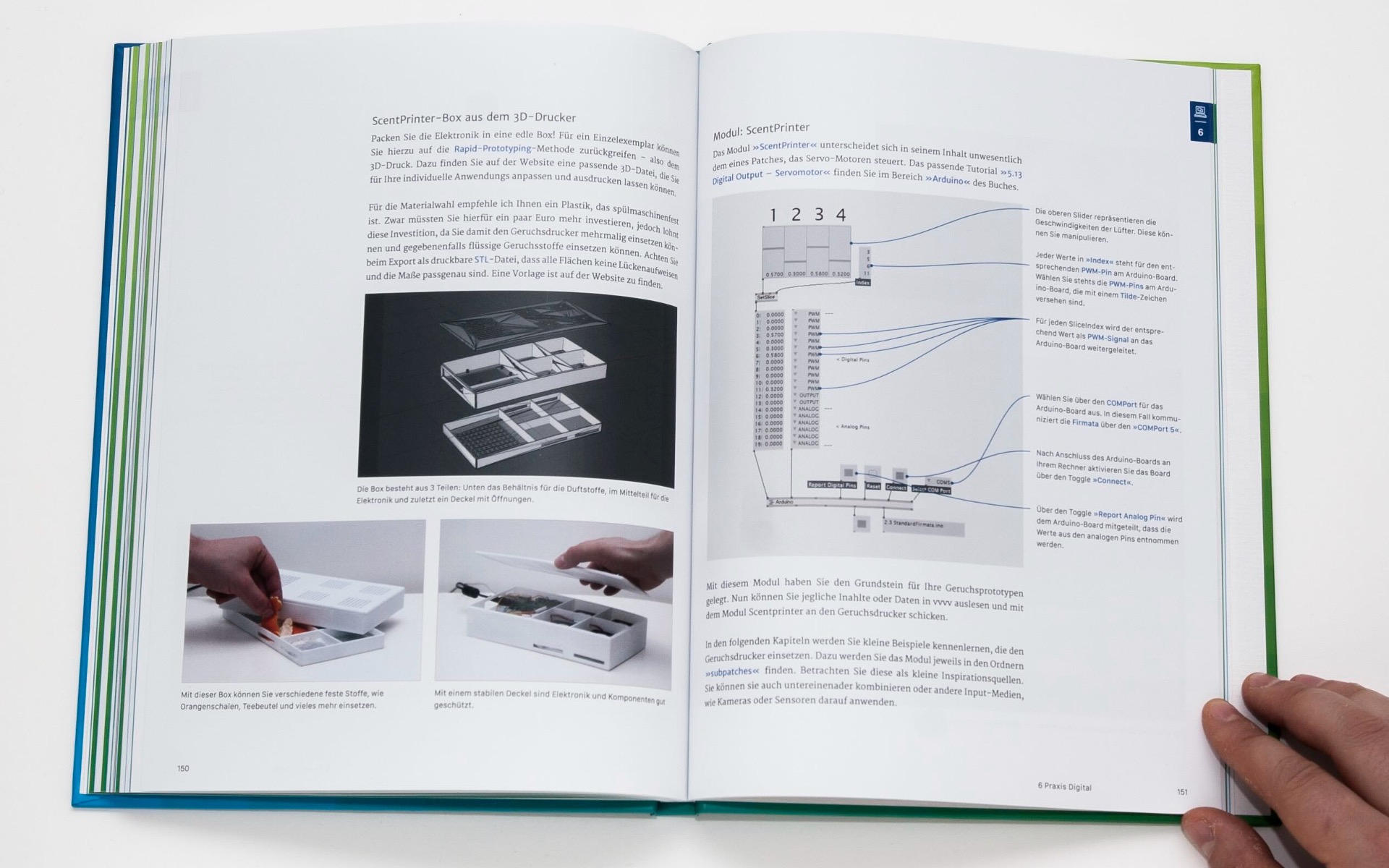
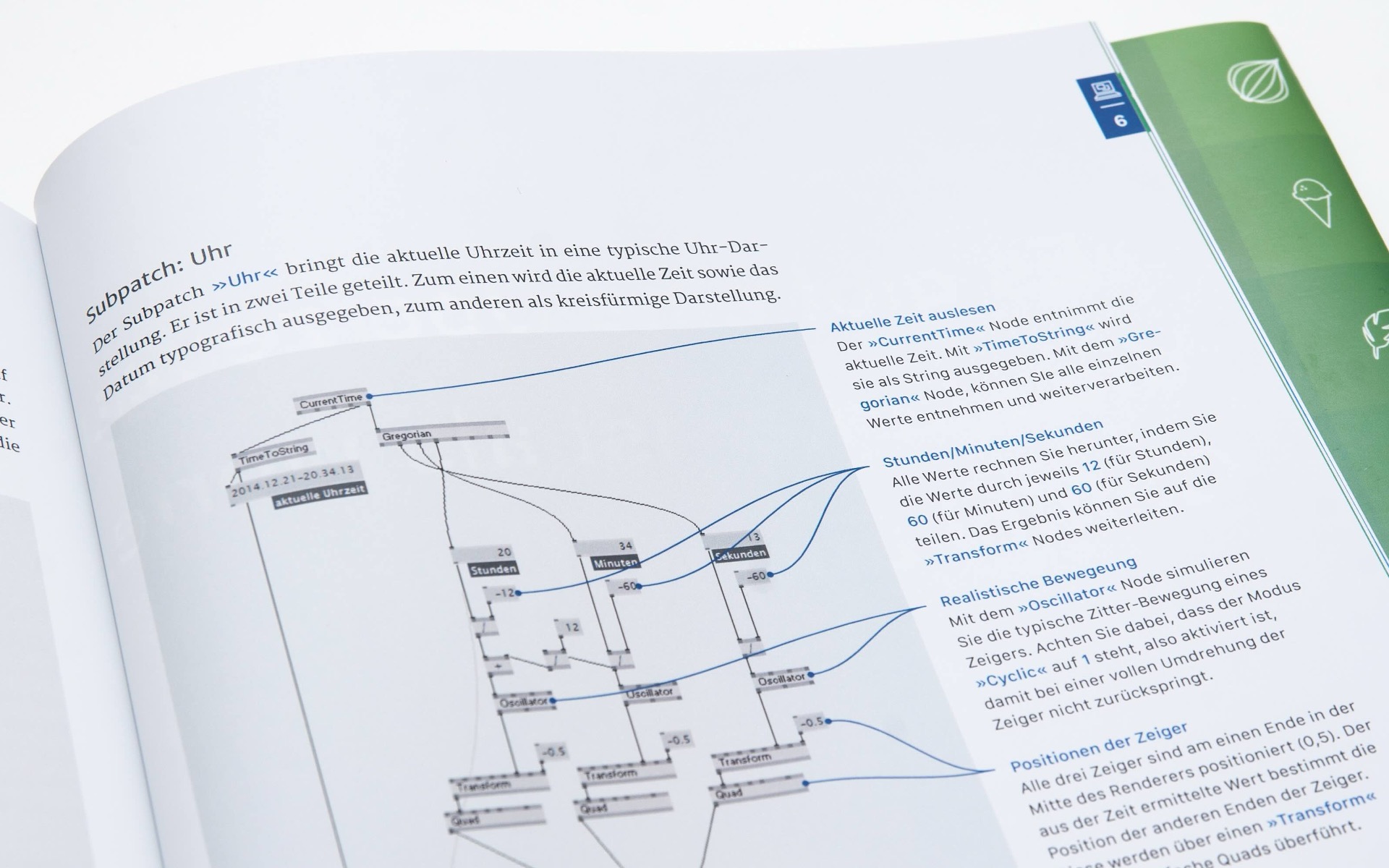
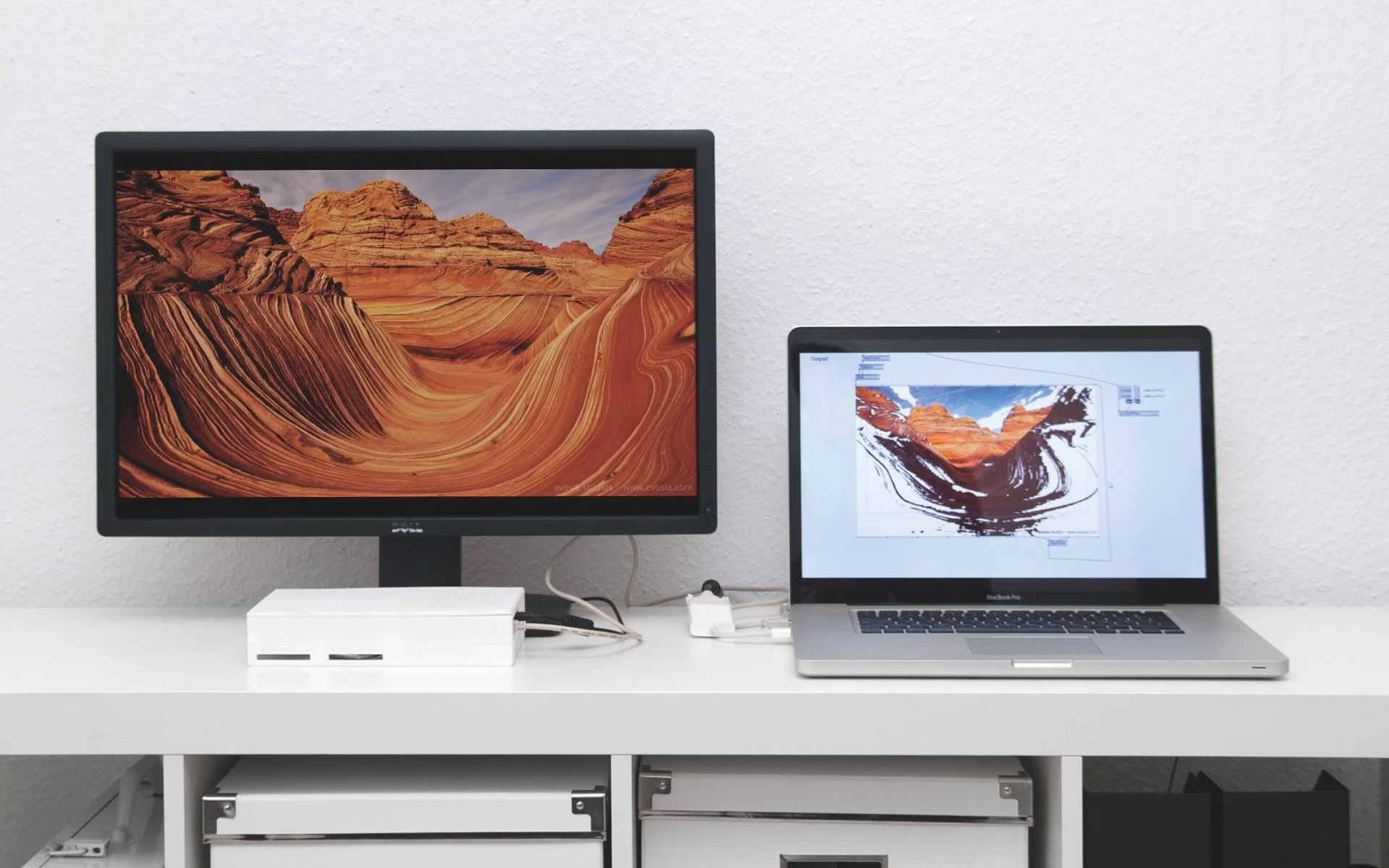
The core of the project was the design and construction of a fully working physical prototype — the Scentprinter. This was not a concept or a mockup: it was a functional device built from custom hardware, capable of releasing controlled scent combinations triggered by digital inputs. Arduino was used to control the physical components responsible for scent output, while vvvv functioned as the visual programming environment for data processing, system logic, and interaction design.
Used Methods:
- Physical Computing
- Low Fidelity Prototyping
- 3D-Design & Printing
Step 3:
Didactic Documentation
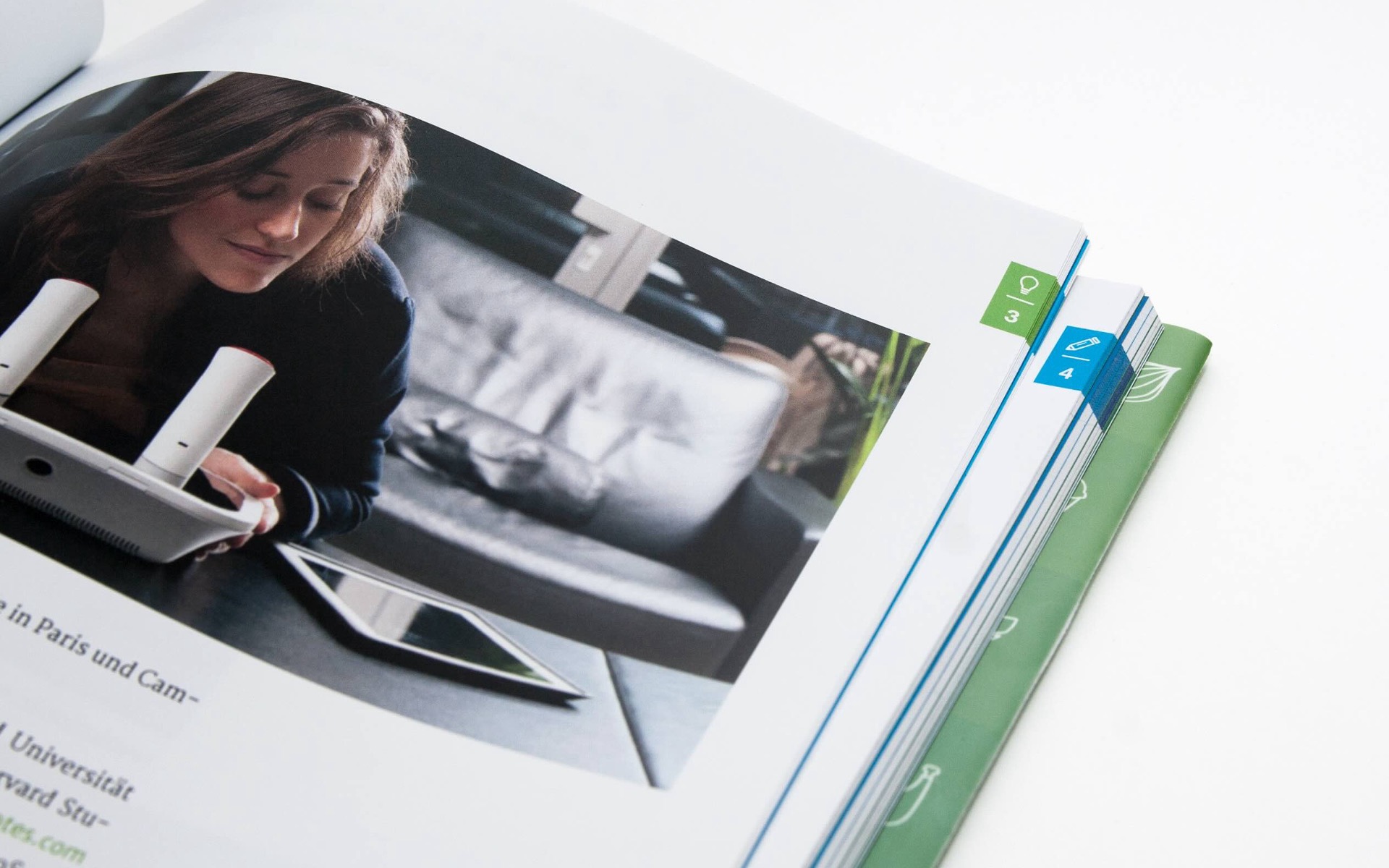
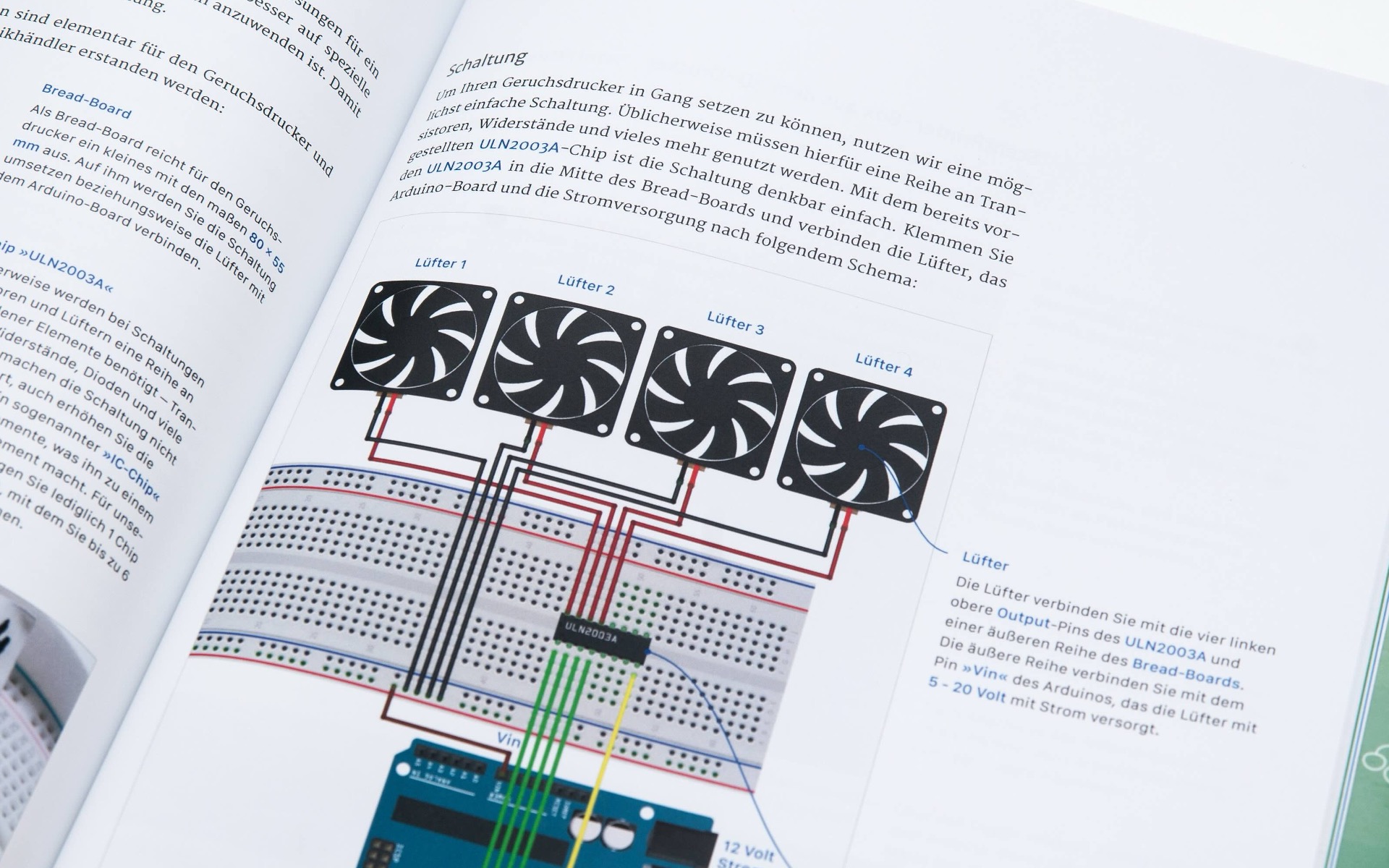
The third goal was accessibility. The project was designed as a replicable learning experience and not just a one-off prototype. A structured, step-by-step documentation was developed so that others could understand, rebuild, and extend the system. This included circuit diagrams, material lists, process documentation, and conceptual frameworks for smell-based interface design.
Used Methods:
- Desktop Research & Ideation
- Didactics & Semantics
- Editorial Design & Printing
My Role & Responsibilities
This was a fully self-directed project including concept, research, design, fabrication, and documentation were entirely my own responsibility.
- Designed and executed the full research framework from sensory psychology to interaction design theory
- Built a functional physical prototypes from scratch through hardware design, electronics, enclosure, and scent delivery system
- Developed the complete visual identity, publication design, and didactic materials
»Es gibt eine Überzeugungskraft des Duftes, die stärker ist als Worte, Augenschein, Gefühl und Wille.«
Impact
- ADC Silver 2016 — Art Directors Club, one of the most competitive design awards in the German-speaking world
- Annual Multimedia Award 2016 — published in the ADC and Annual Multimedia Award Yearbooks
- Presented at NODE Festival Frankfurt (2015)
The core insight of Smelling Data: Interfaces don’t have to be screens only and the most powerful human-computer interactions happen through the body and not just only through the eyes. This is in my opinion the kind of thinking that defines the next generation of UX design.