How do you design a mobility service that doesn’t exist yet? Neue Mobilität Potsdam was a joint research and design project between Volkswagen Group Future Center Europe and the Stadtverwaltung Potsdam exploring how autonomous, on-demand shuttle services could complement existing public transport in a real urban environment.
The core challenge was not technical, it was human. Citizens needed to experience autonomous mobility before they could meaningfully respond to it. Traditional research methods such as surveys, focus groups and workshops could not answer the key question: Would people actually use this service?

The answer: bring the future to the street!
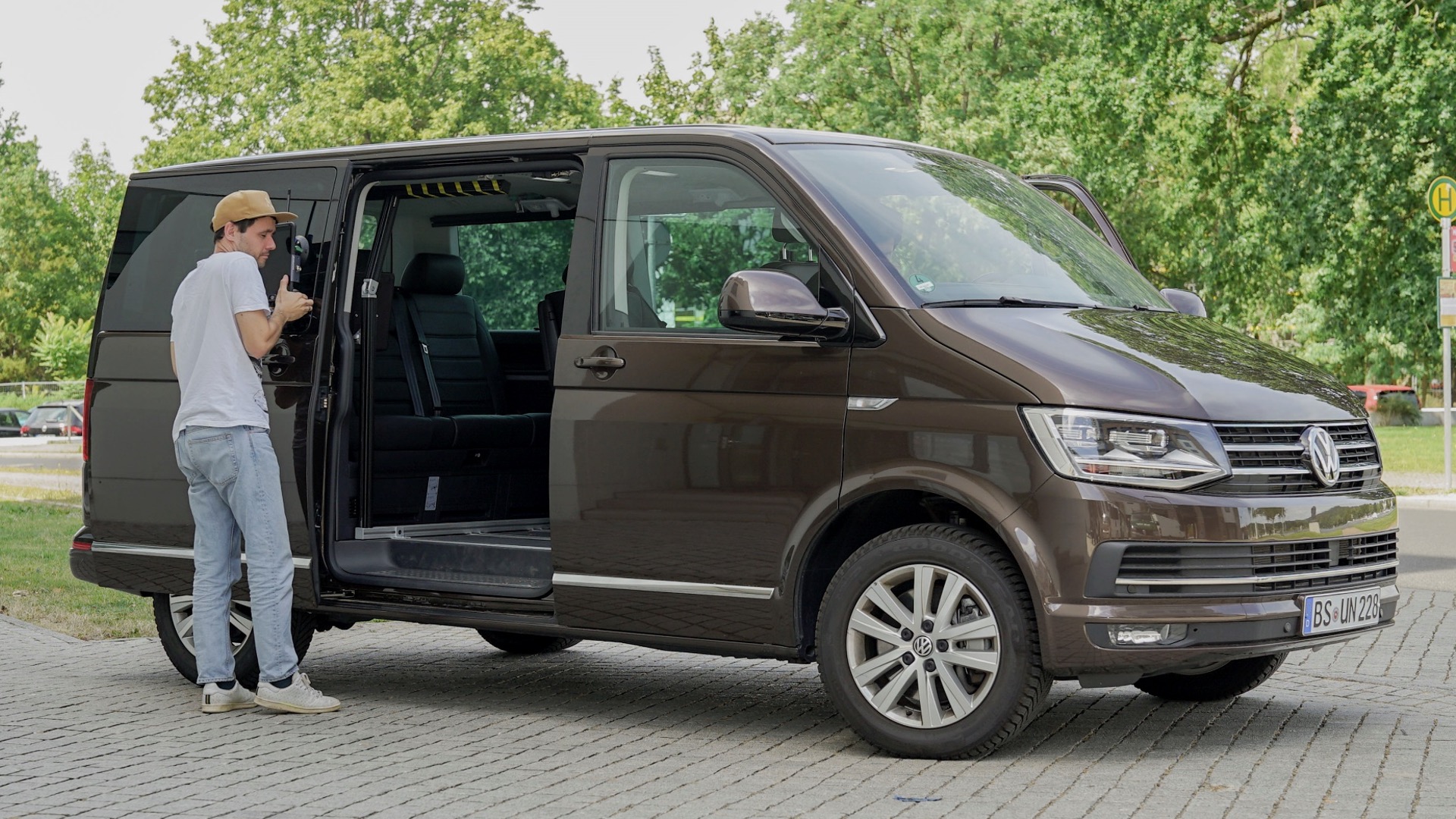
Using a “Future Story Telling” prototype approach, we built a fully functional event shuttle service, a modified VW T7 bus with a dividing wall between driver and passengers to simulate autonomous travel. We tested it with real citizens of Potsdam attending the Hans Otto Theater. Not a concept. Not a mockup. A real service, on real streets, with real feedback.
The gap we addressed: Between the comfort and accessibility of taxis and the affordability of public transport, there was a clear market gap for intelligent Mobility-as-a-Service. Autonomous pooling shuttles could fill exactly that gap, if citizens trusted and understood them. Our mission was to find that out.
The Process
The project followed an experimental, iterative approach. The team treated the city itself as a laboratory. Four core principles guided every decision: Working experimentally and iteratively thinking in fast solutions and short feedback cycles. Designing from citizen needs instead from a technology push. Using the city as a testbed on real streets with real users getting real feedback. Maintaining a clear goal with an open path focussing on direction over prescription.
Phase 1: Research & Problem Definition
A thorough analysis of Potsdam’s mobility landscape identified a clear service gap between ÖPNV (affordable, low comfort) and taxi (high comfort, expensive). Mobility-as-a-Service through autonomous pooling shuttles was identified as the most promising solution space. Three key challenges shaped the entire project: urban densification pushing public transport to its limits, insufficient public funding for new mobility solutions, and the difficulty of top-down planning without genuine citizen participation.
Phase 2: Future Story Telling Prototype
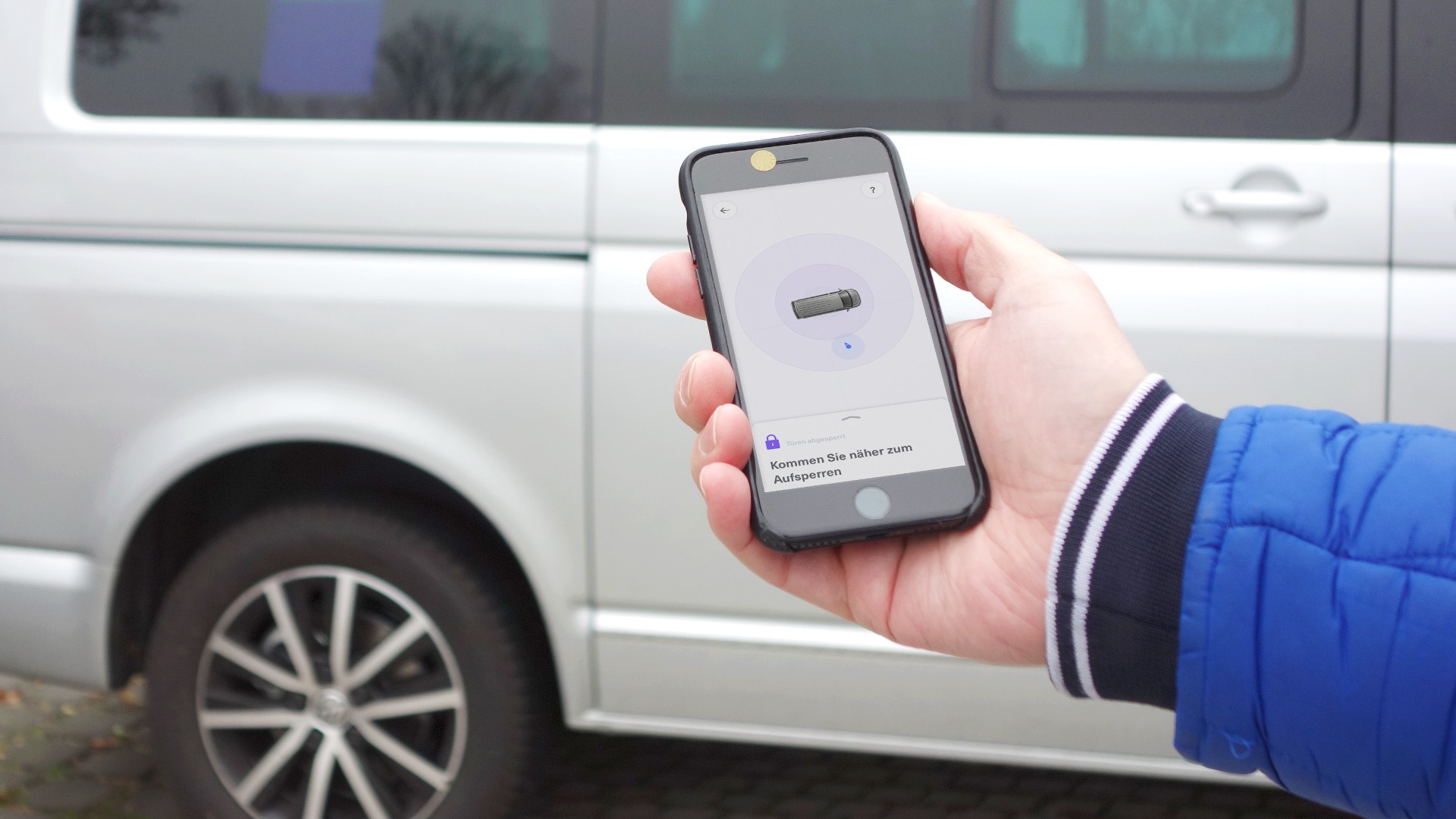
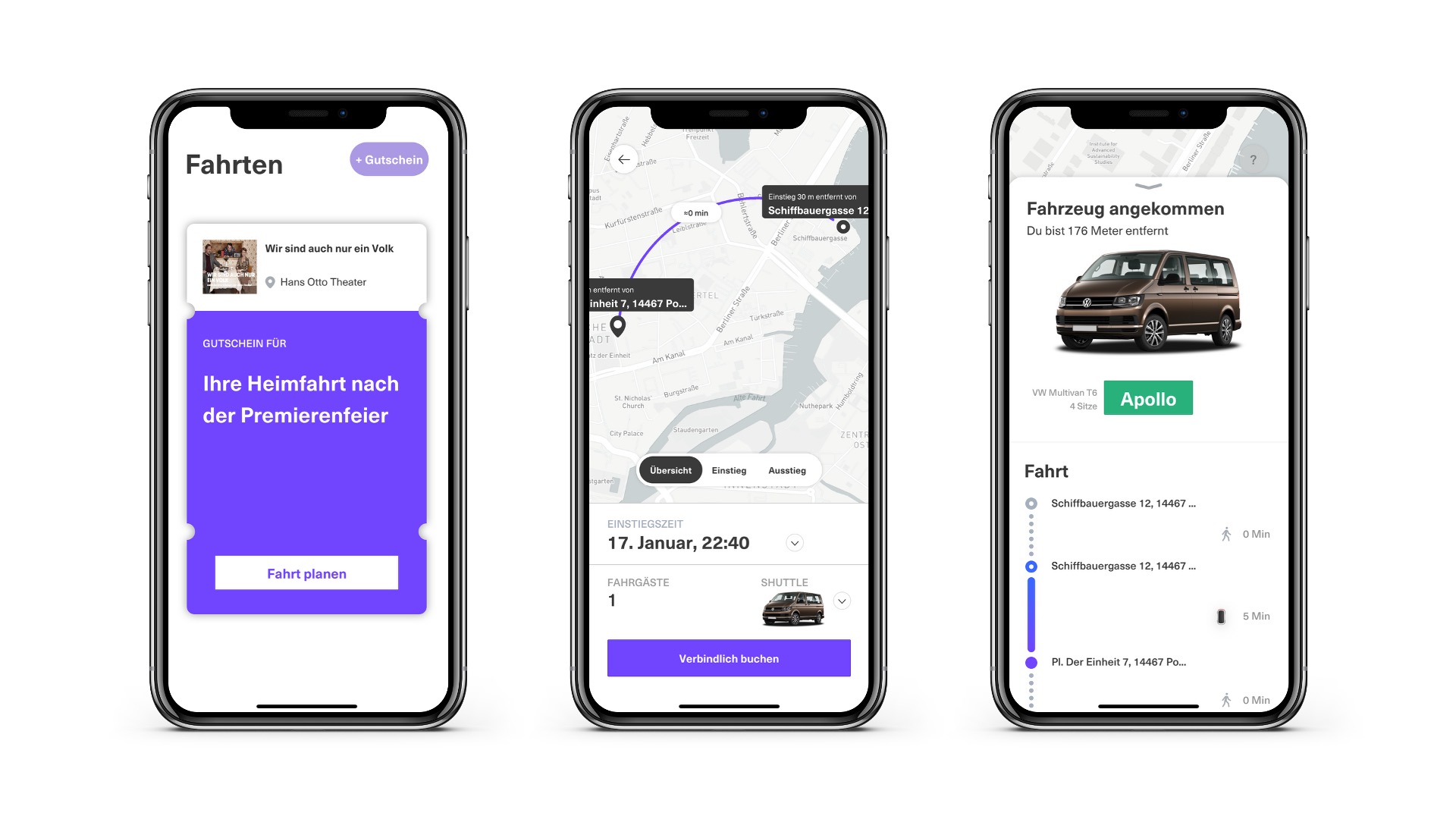
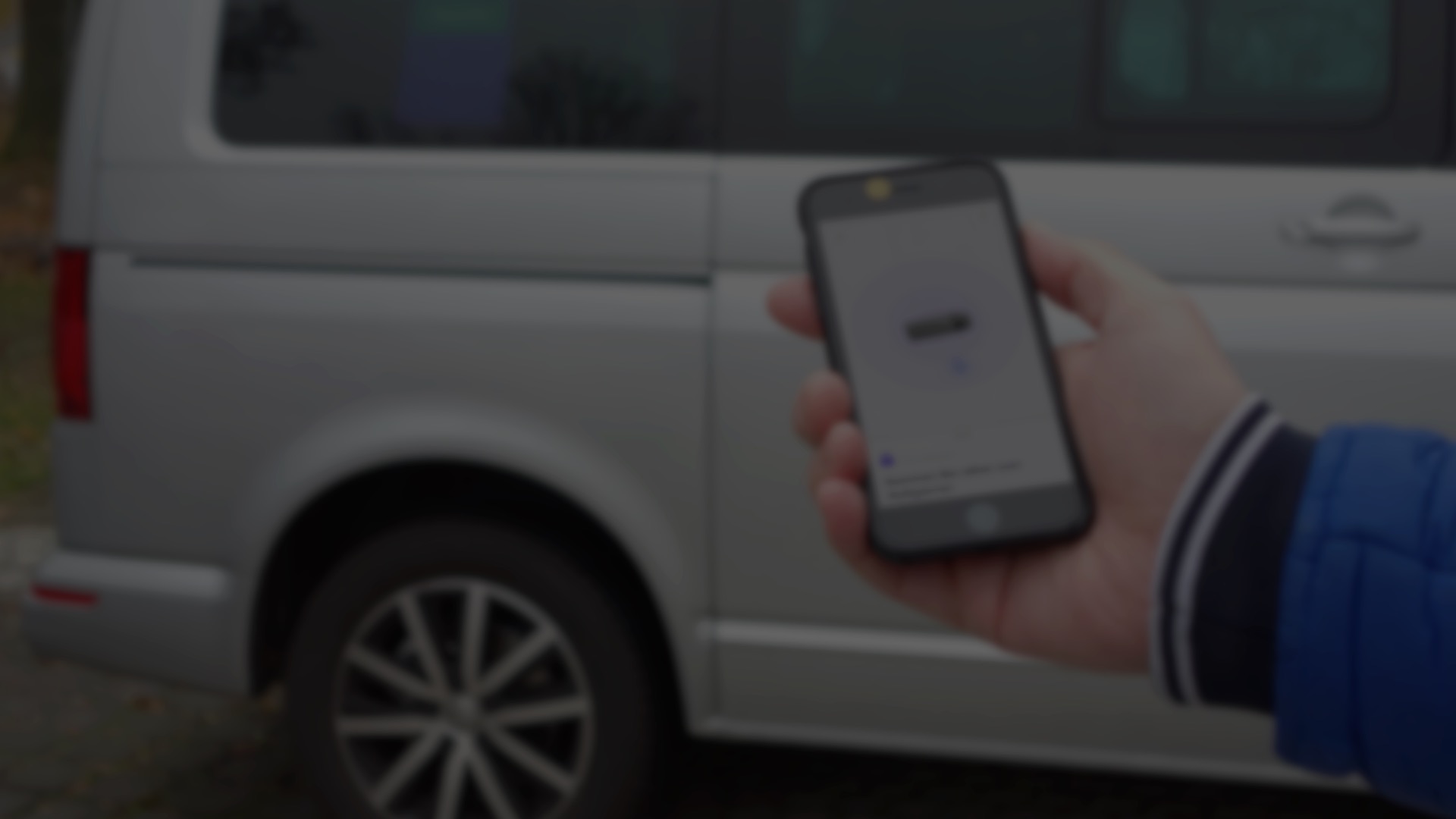
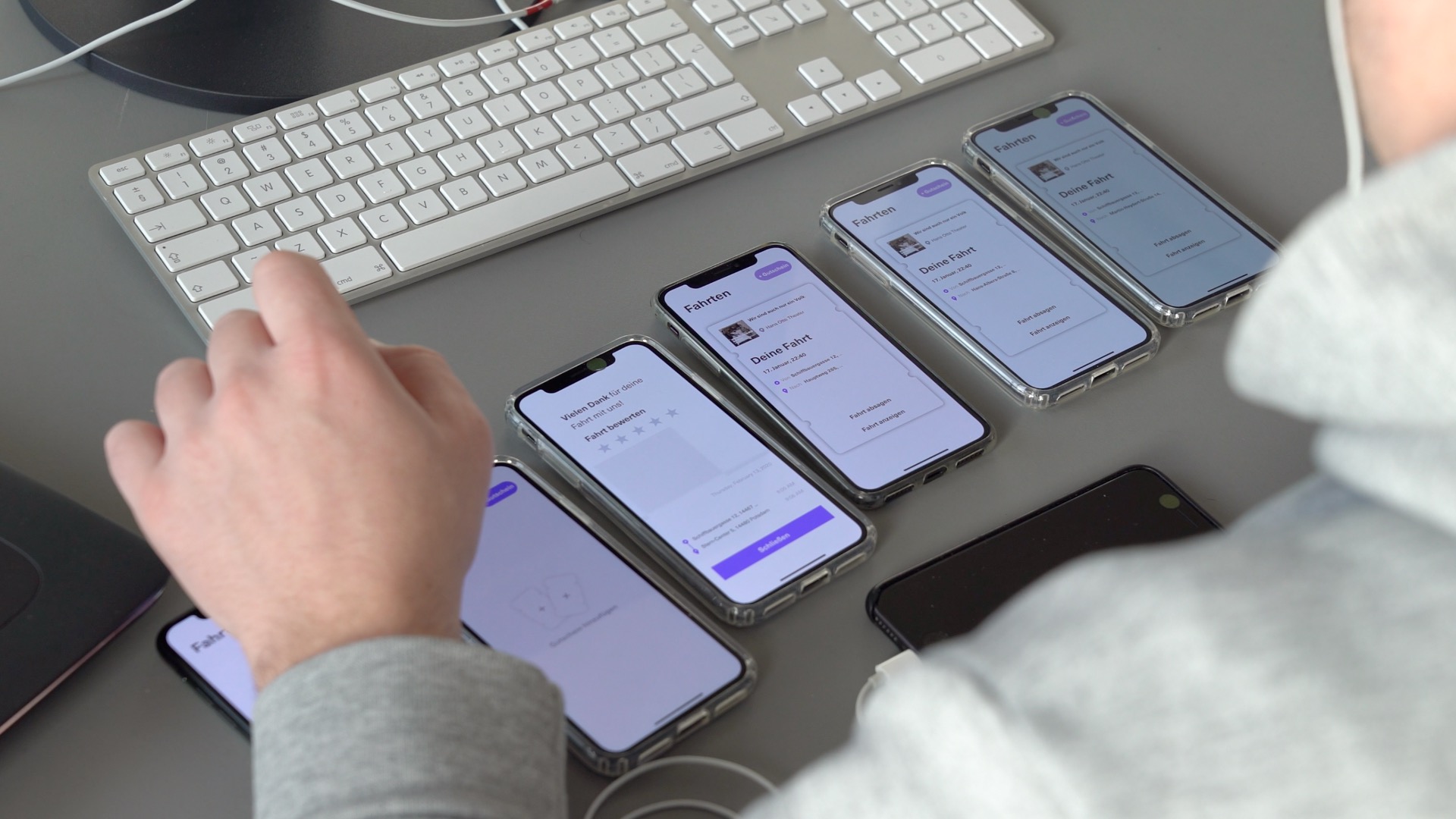
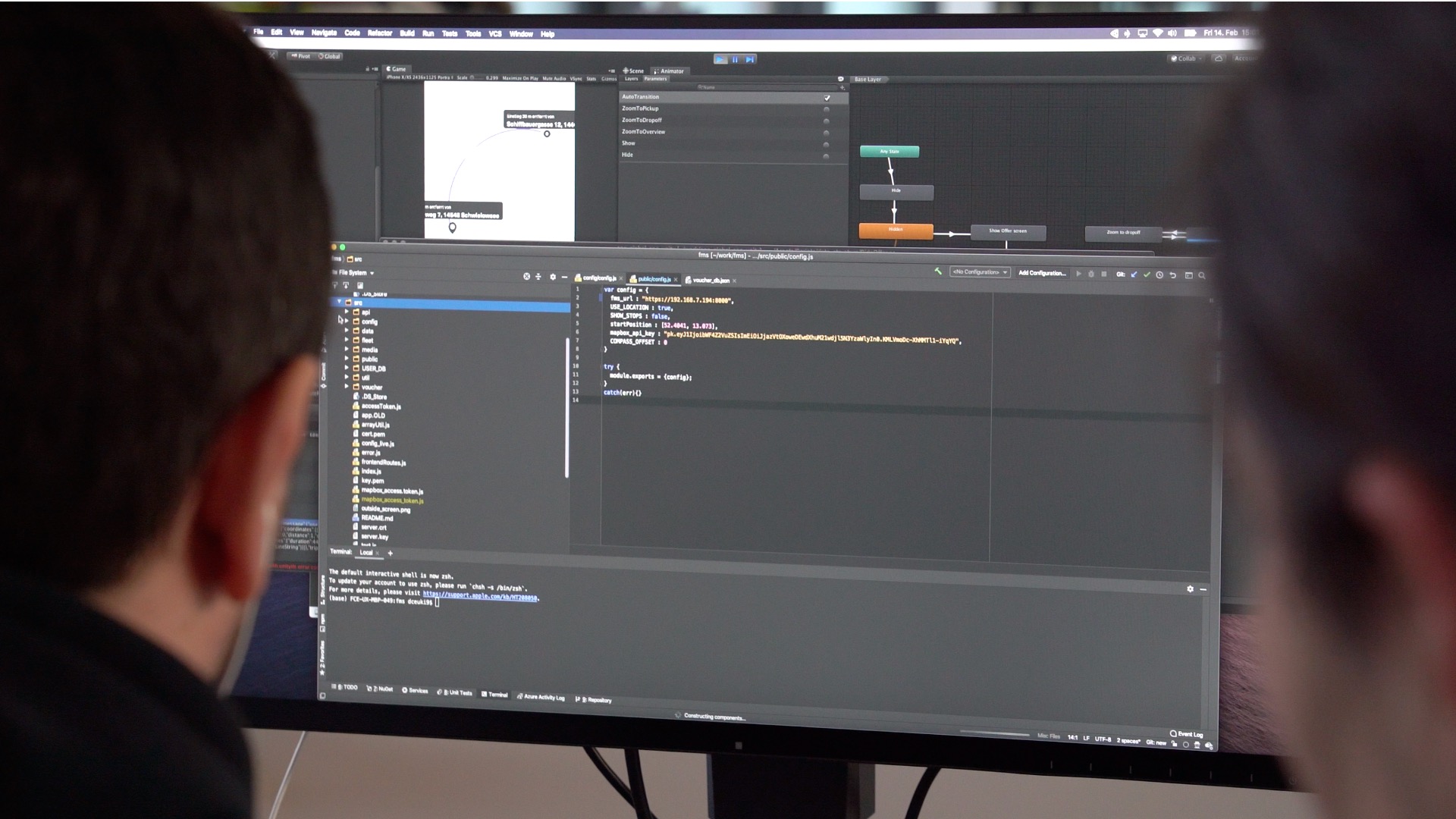
Rather than designing for a hypothetical future, we made that future physically real. A VW T7 bus was modified to simulate an autonomous ride experience with a dividing wall separating the driver cabin from the passenger compartment, recreating the spatial experience of a driverless vehicle. A fully functional smartphone app allowed users to book, track, and manage their shuttle in real time. All data was GDPR-compliant, so no personal data or images of test participants were captured.
Phase 3: Event Shuttle Experiment at Hans Otto Theater
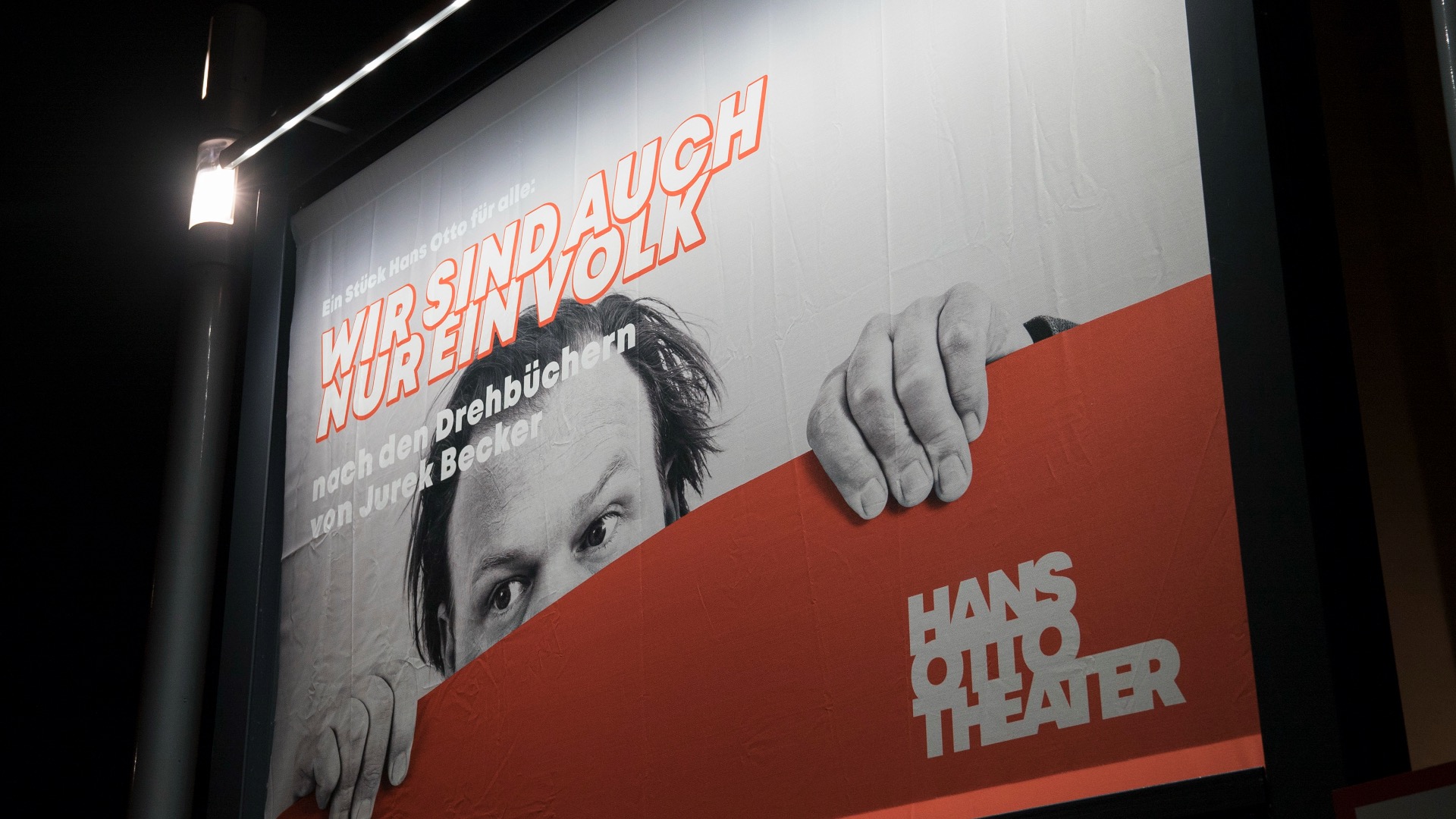
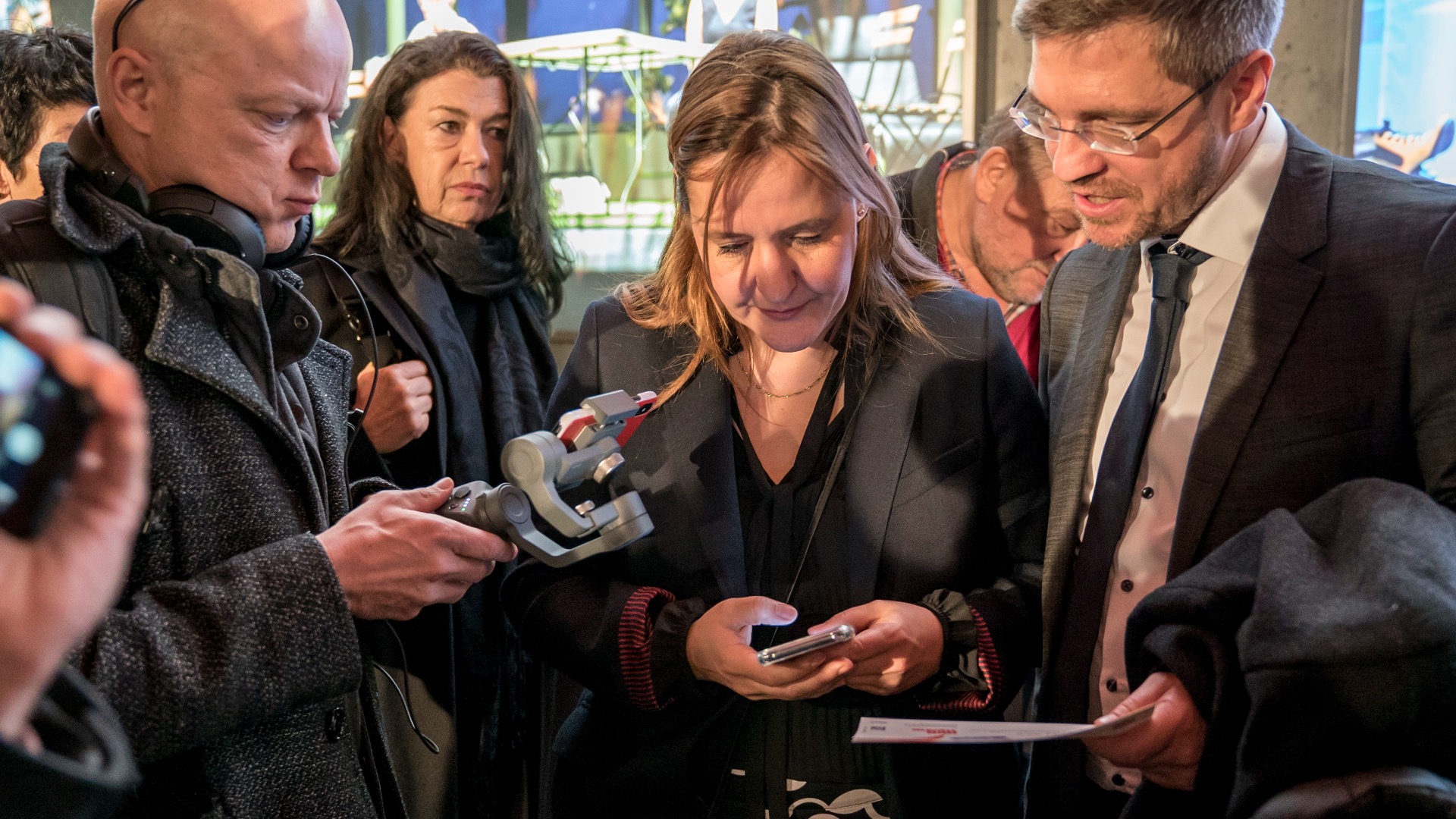
The first real-world test scenario was designed around theater-goers at the Hans Otto Theater in Potsdam’s Schiffbauergasse. The scenario was chosen deliberately: a fixed event time, a specific location with limited public transport options in the evening, and a motivated, diverse user group willing to try something new. Theater tickets included an activation code for the free shuttle service. Users booked via app, were received at the theater entrance, and were interviewed anonymously after the ride.
Phase 4: Testing & Evaluation
Seven research questions guided the evaluation: service attractiveness and willingness to use again, autonomous driving acceptance, ÖPNV substitution potential, interface usability, economic viability, safety perception with other passengers, and potential to reduce private car usage. Results were gathered through structured post-ride interviews and anonymized feedback protocols.
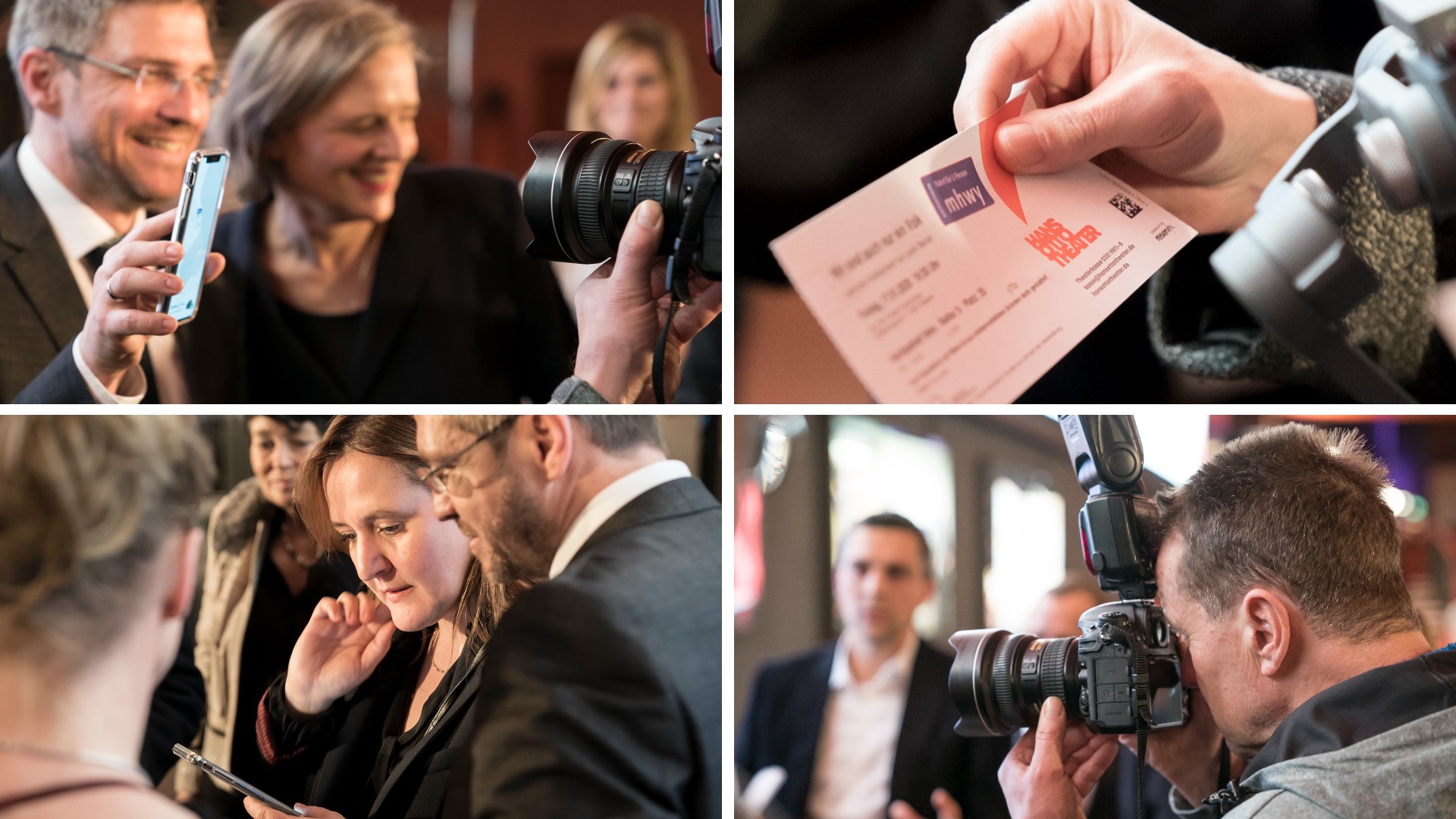
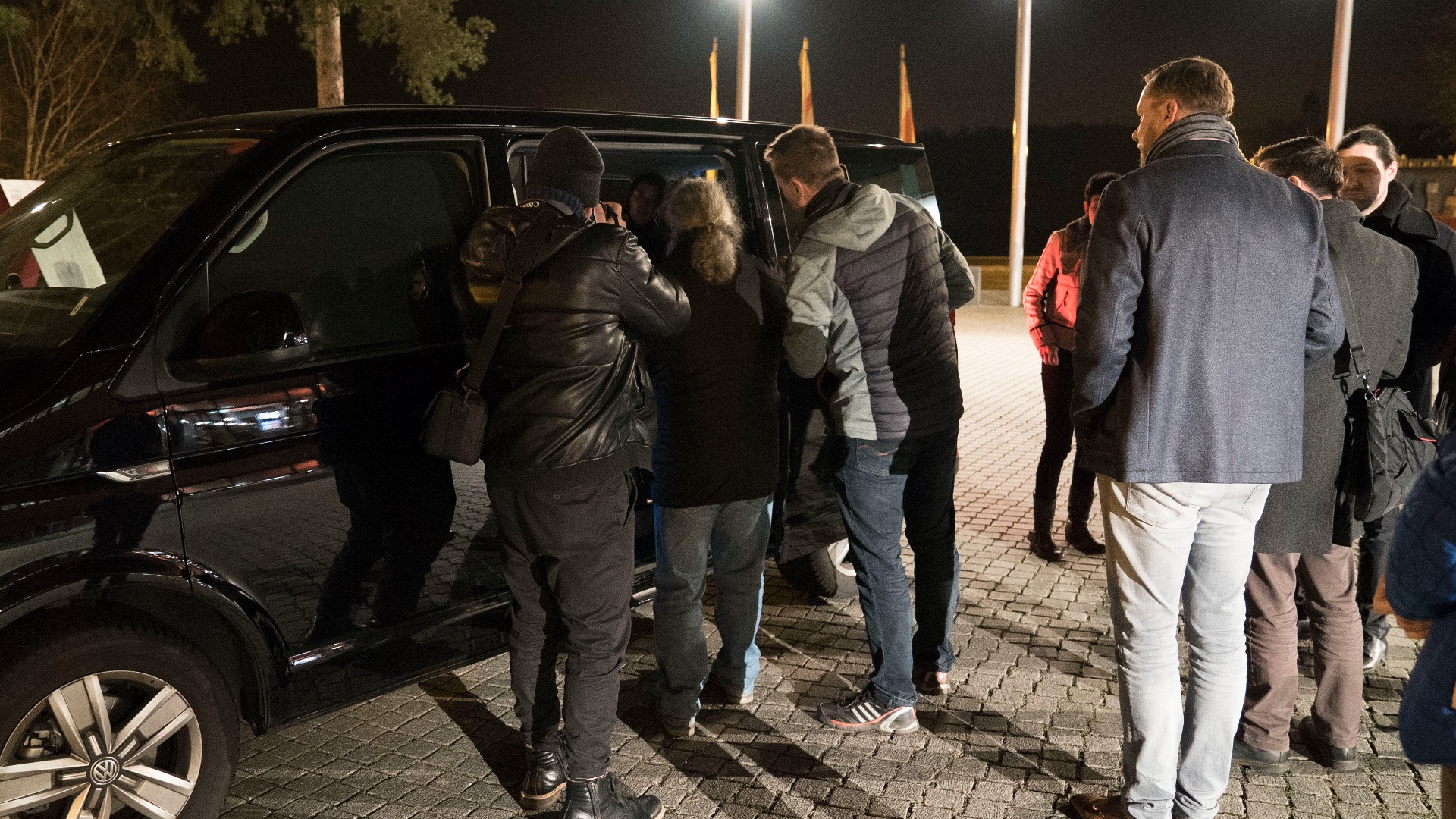
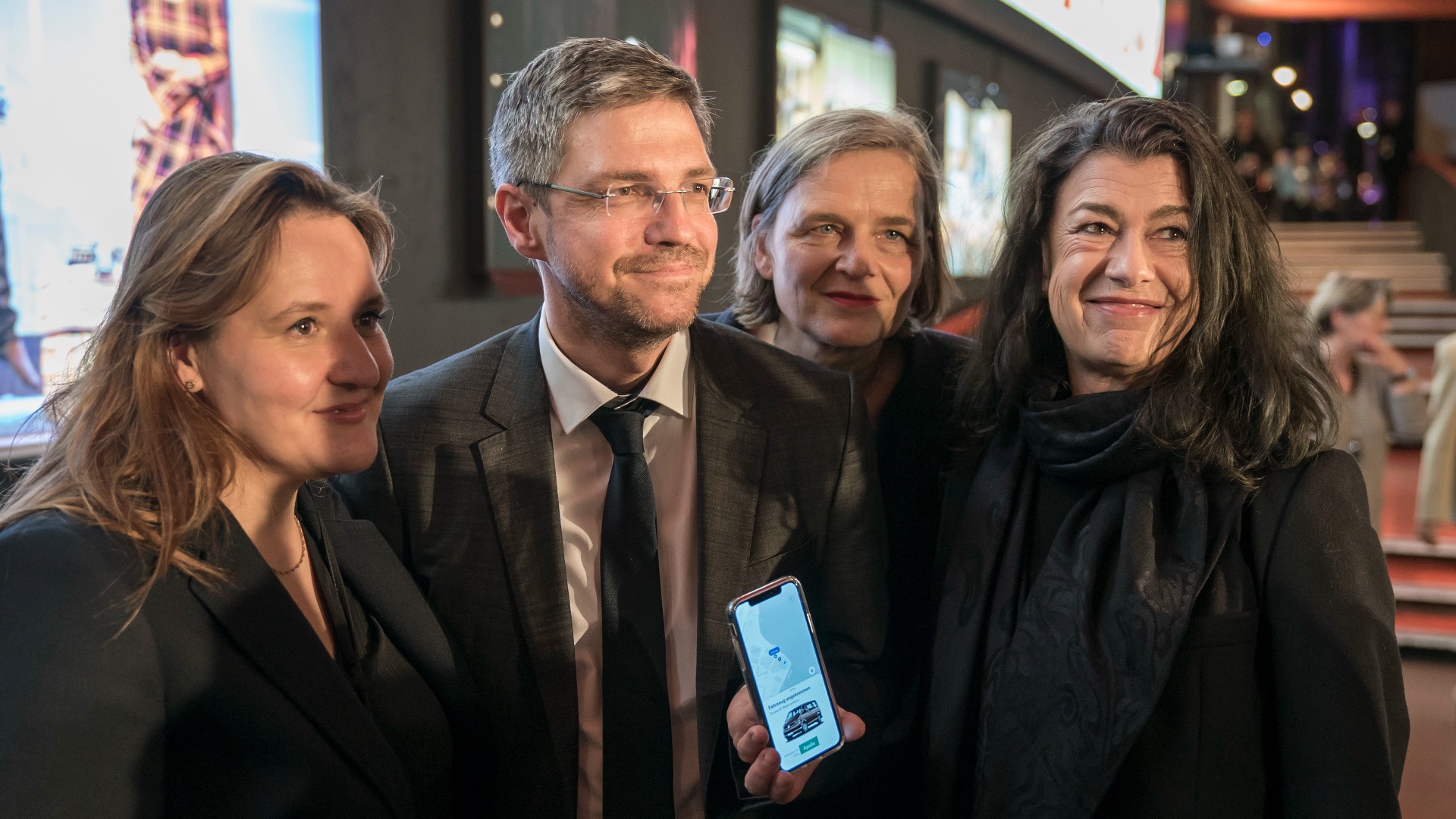
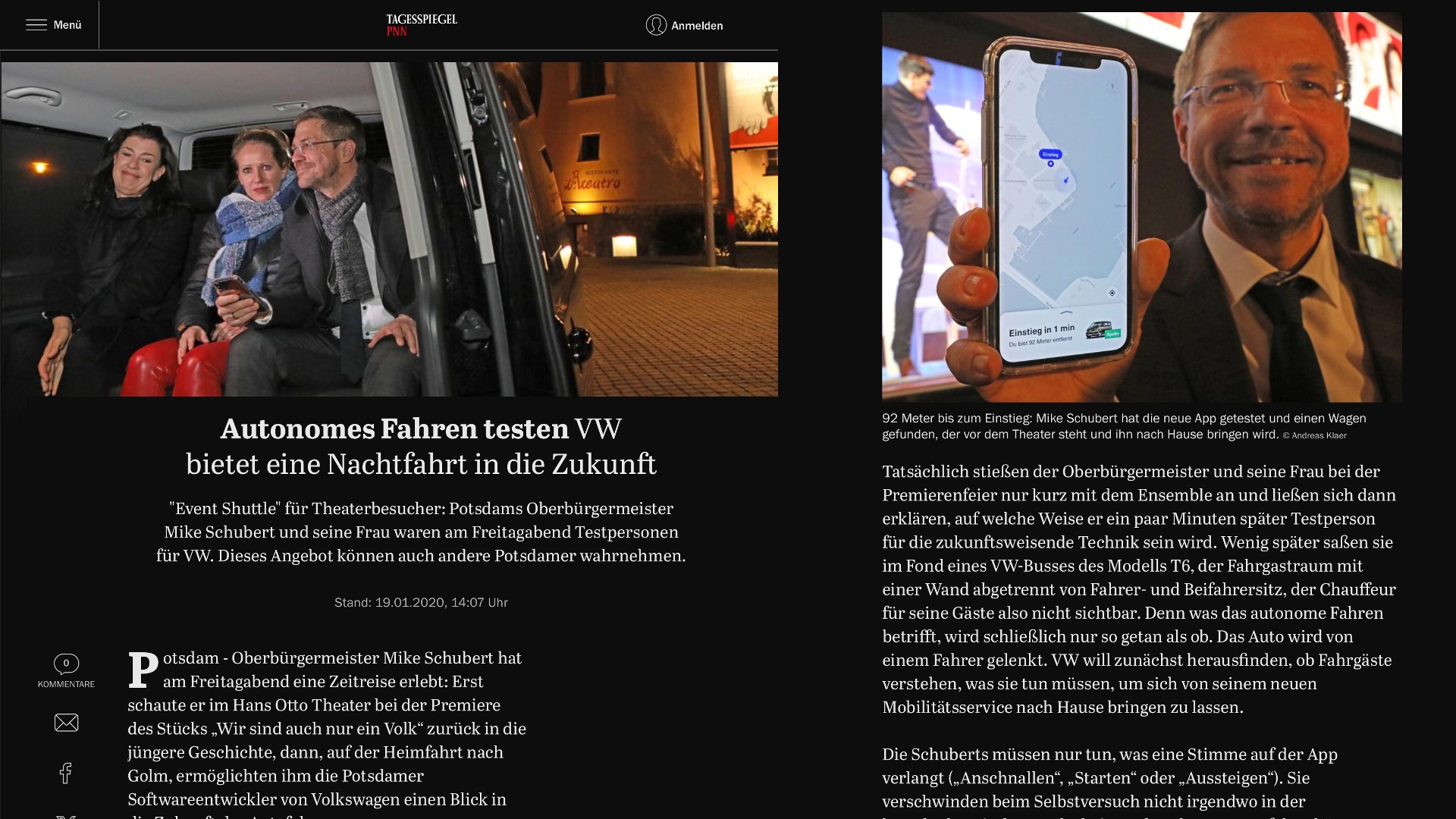
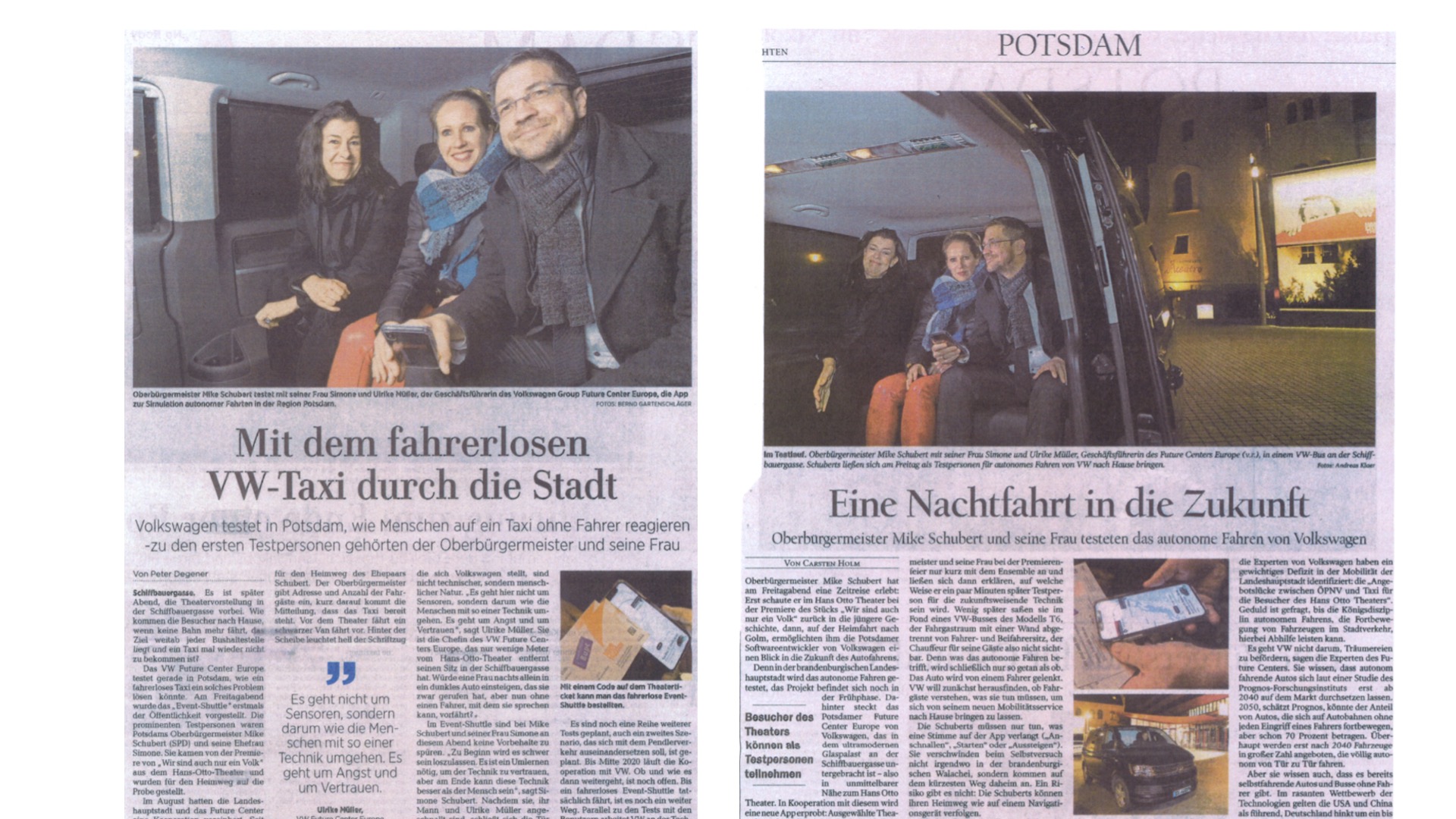
Bürgermeister Schubert bewertete die Simulation autonomen Fahrens anschließend als „spannendes Erlebnis“. Er freue sich, sagte er den PNN, dass die „Zukunft des Fahrens nicht nur in Potsdam entwickelt, sondern auch ausprobiert“ werde. Dies sei „ein gutes Zeichen für die Zusammenarbeit von Forschung, Wirtschaft und der Stadt“.
My Role & Responsibilities
I was responsible for the full UX design of the service starting from the first screen to the street test as well as project management, testing, and stakeholder coordination.
UX Design — All Screens:
- Designed and built all screens of the booking app starting from onboarding to real-time tracking to post-ride feedback
- Iterated on interface designs based on direct user feedback across multiple test runs
- Designed the complete user journey with the ticket purchase to shuttle arrival and exit
- Ensured the interface communicated the autonomous experience clearly and trustworthily without causing anxiety
Project Management:
- Co-Coordinated project milestones, deliverables, and team responsibilities across the full project arc
- Planned and executed multiple live test evenings at the Hans Otto Theater
Testing Management:
- Co-Designed the complete testing framework such as research questions, feedback protocols, interview structure
- Managed on-site test operations with participant briefing, ride coordination, post-ride interviews
- Synthesized findings into structured insights for internal and external stakeholders
Stakeholder Management:
- Contact for the Stadtverwaltung Potsdam and coordinating goals, expectations, and feedback loops between a public institution and a corporate R&D environment
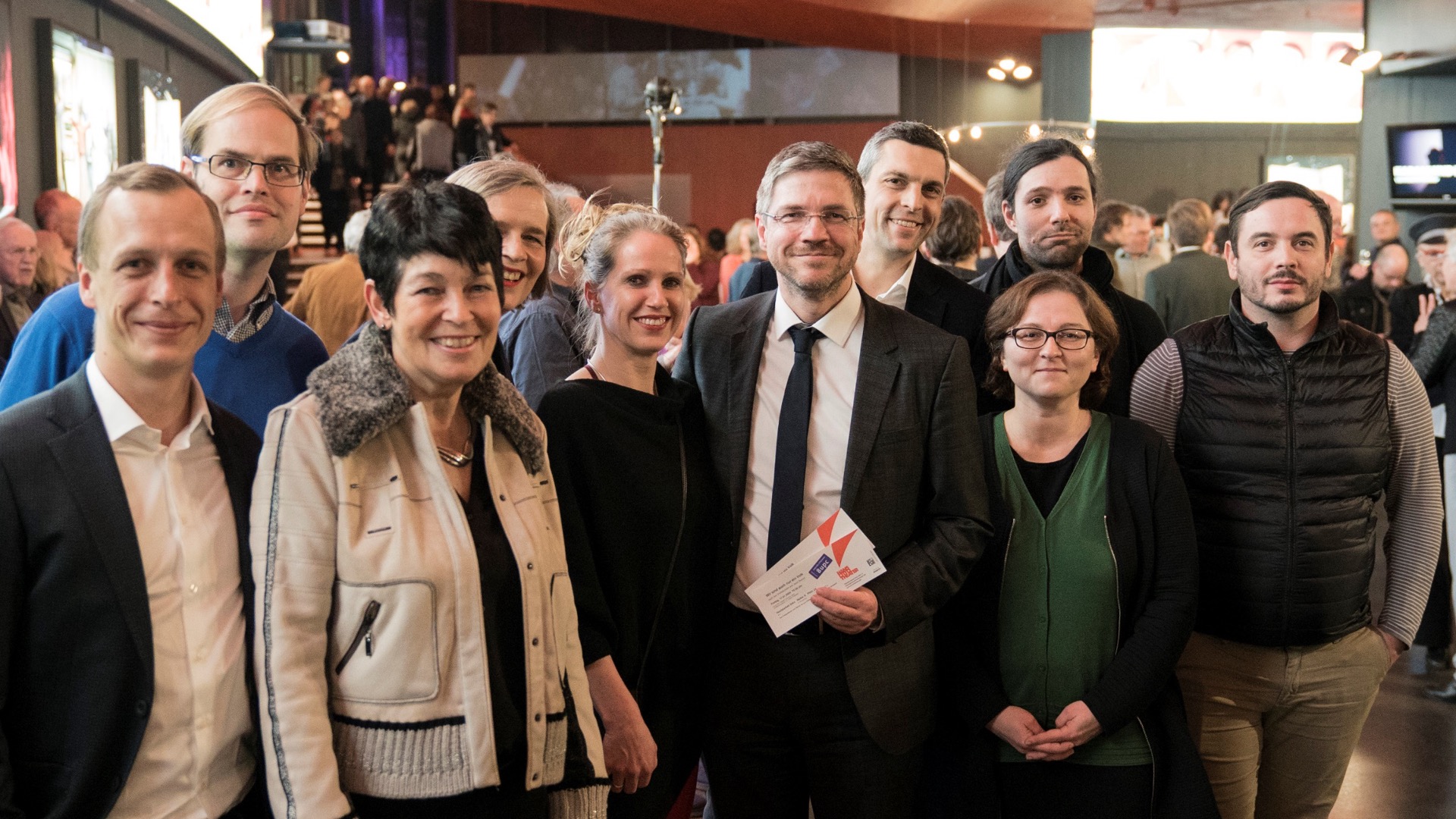
- Presented project progress and findings to city officials including the Mayor of Potsdam
- Authored the project interim report with a documenting methodology, findings, and recommendations
Impact
- First real-world autonomous mobility test in the city of Potsdam, which has been conducted on public streets with civilian participants
- Real citizen participation by theater-goers as genuine test users, not recruited research participants
- Presented to the Mayor of Potsdam Mike Schubert, together with the Hans Otto Theater director Bettina Jahnke, generating significant public and press attention
- Fully functional app and physical prototype. It was not just a concept, but a deployable, tested service
- GDPR-compliant testing framework, so that the team could enable public testings with civilians in a legally compliant setup
- Published as an interim report as a co-authored documentation of methodology, findings, and recommendations for the city of Potsdam
- Directly connected to the VW Sedric / oneButton vision translating the autonomous mobility concept into a real urban experiment