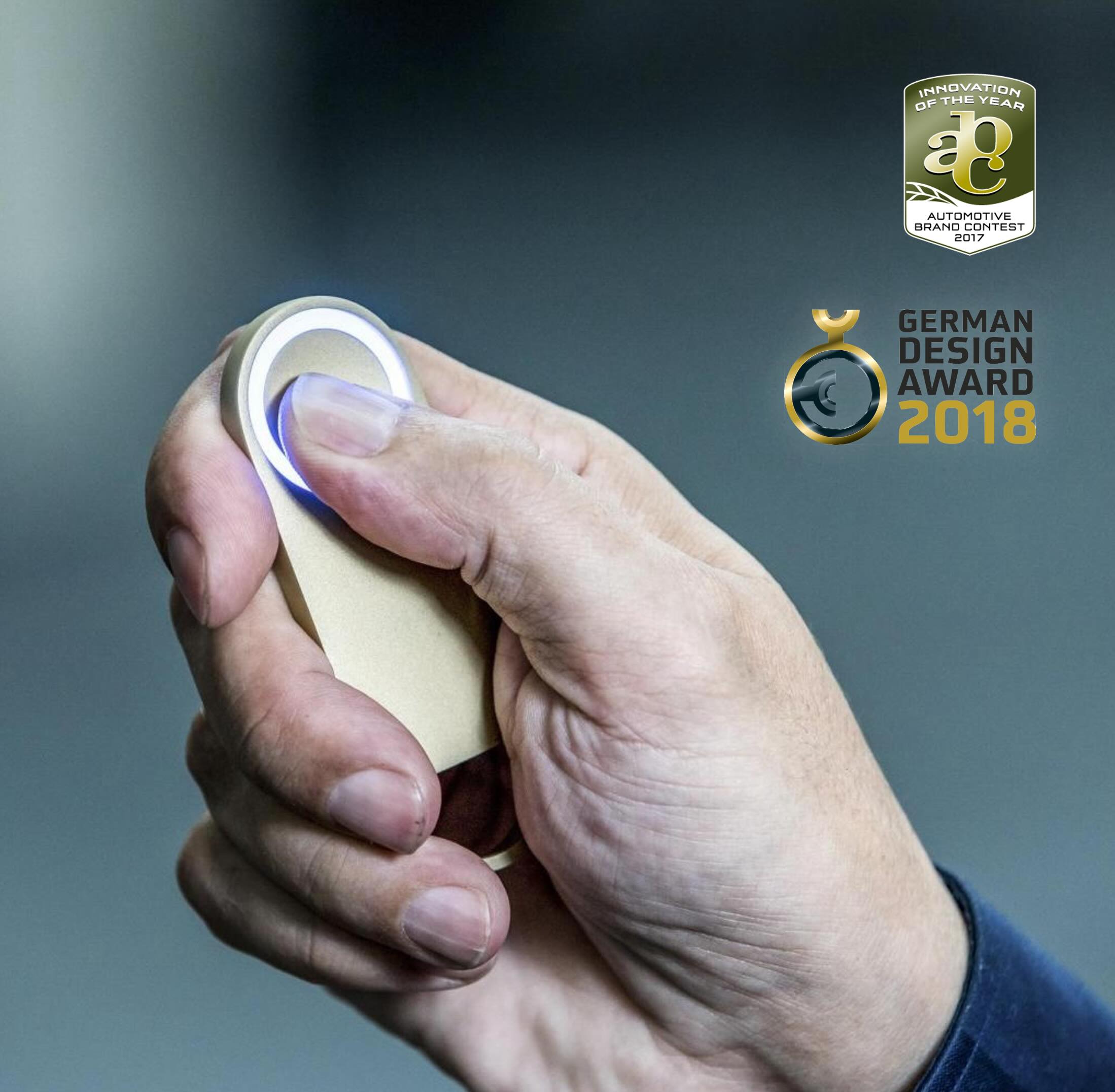
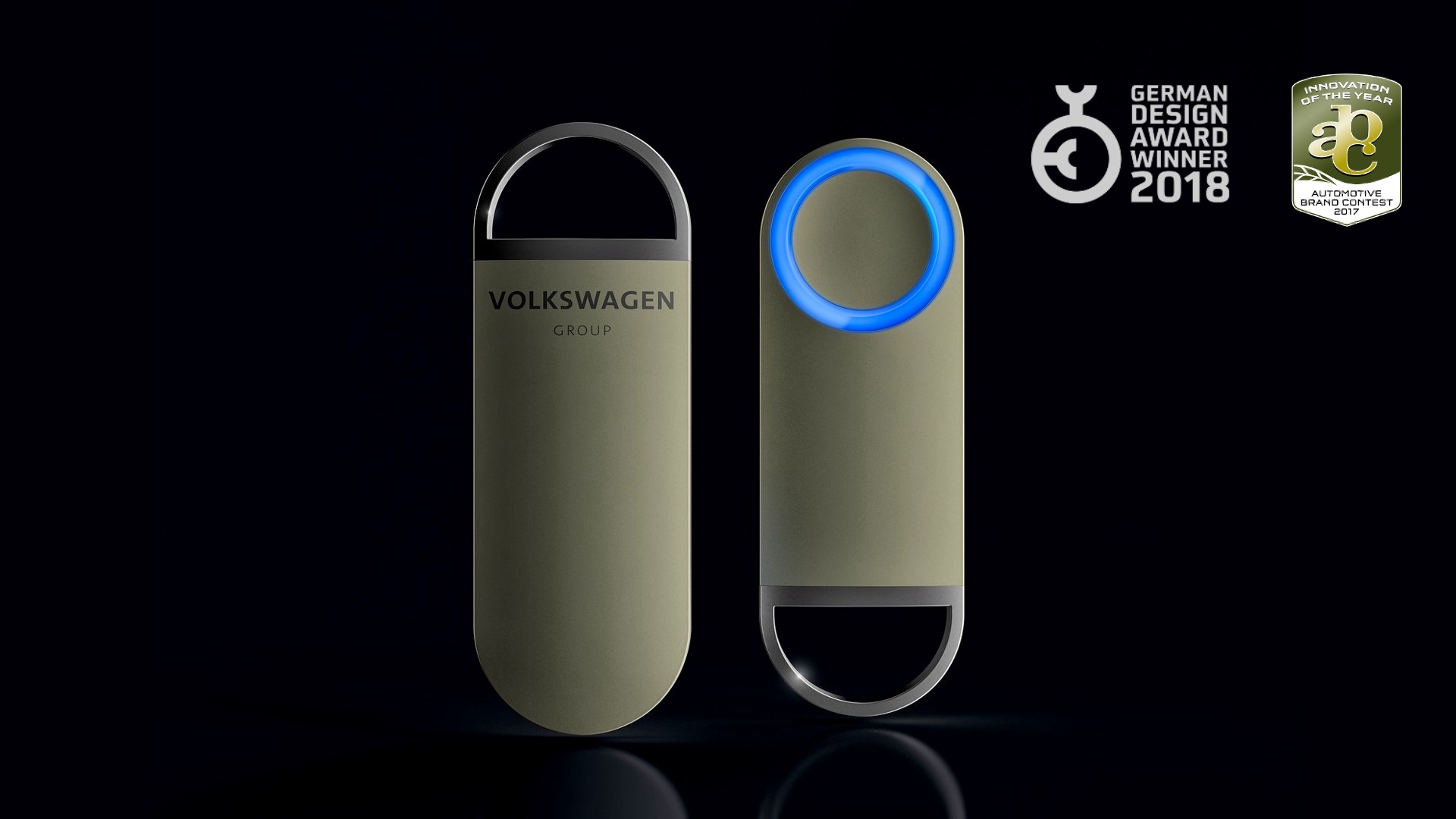
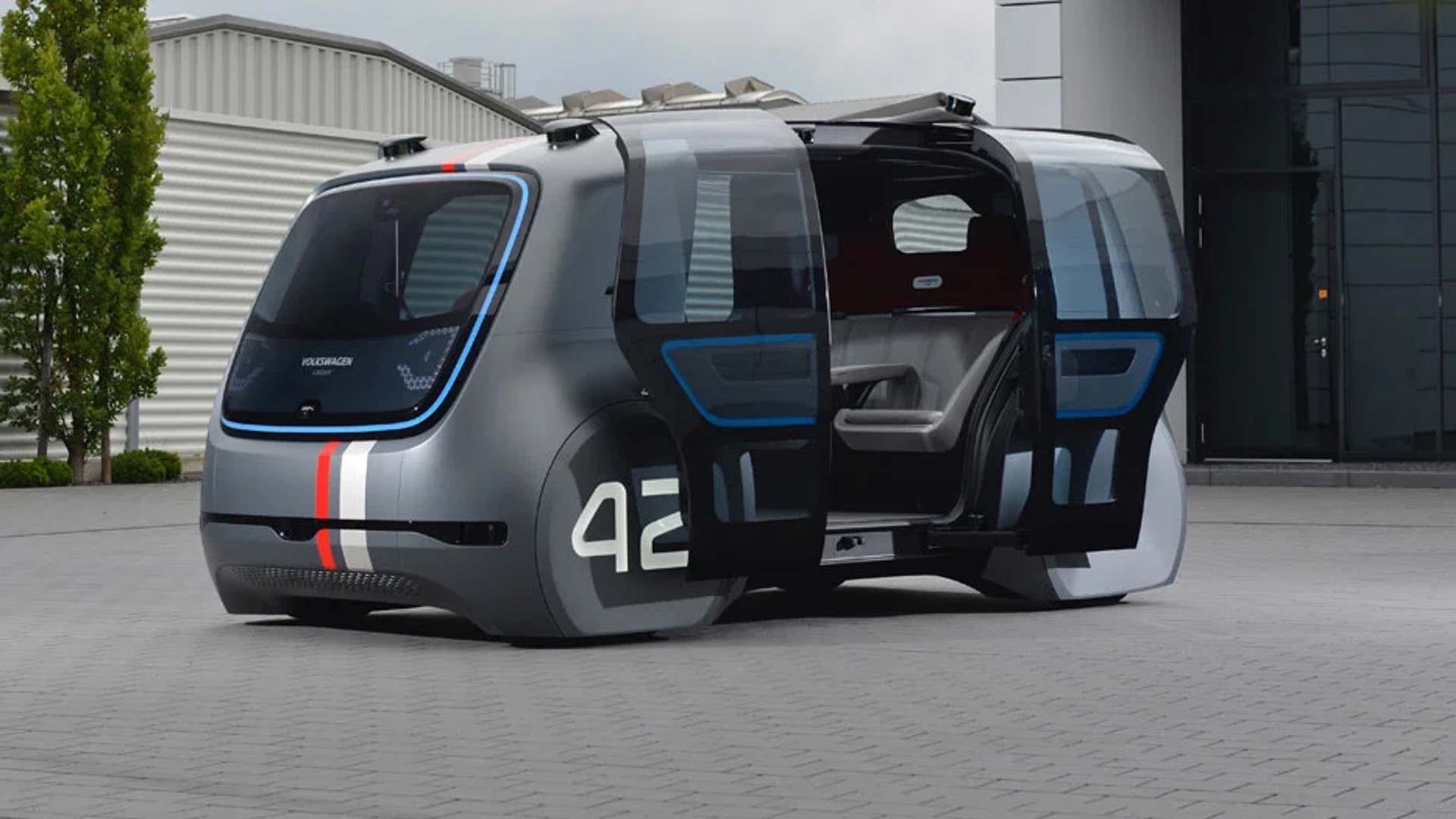
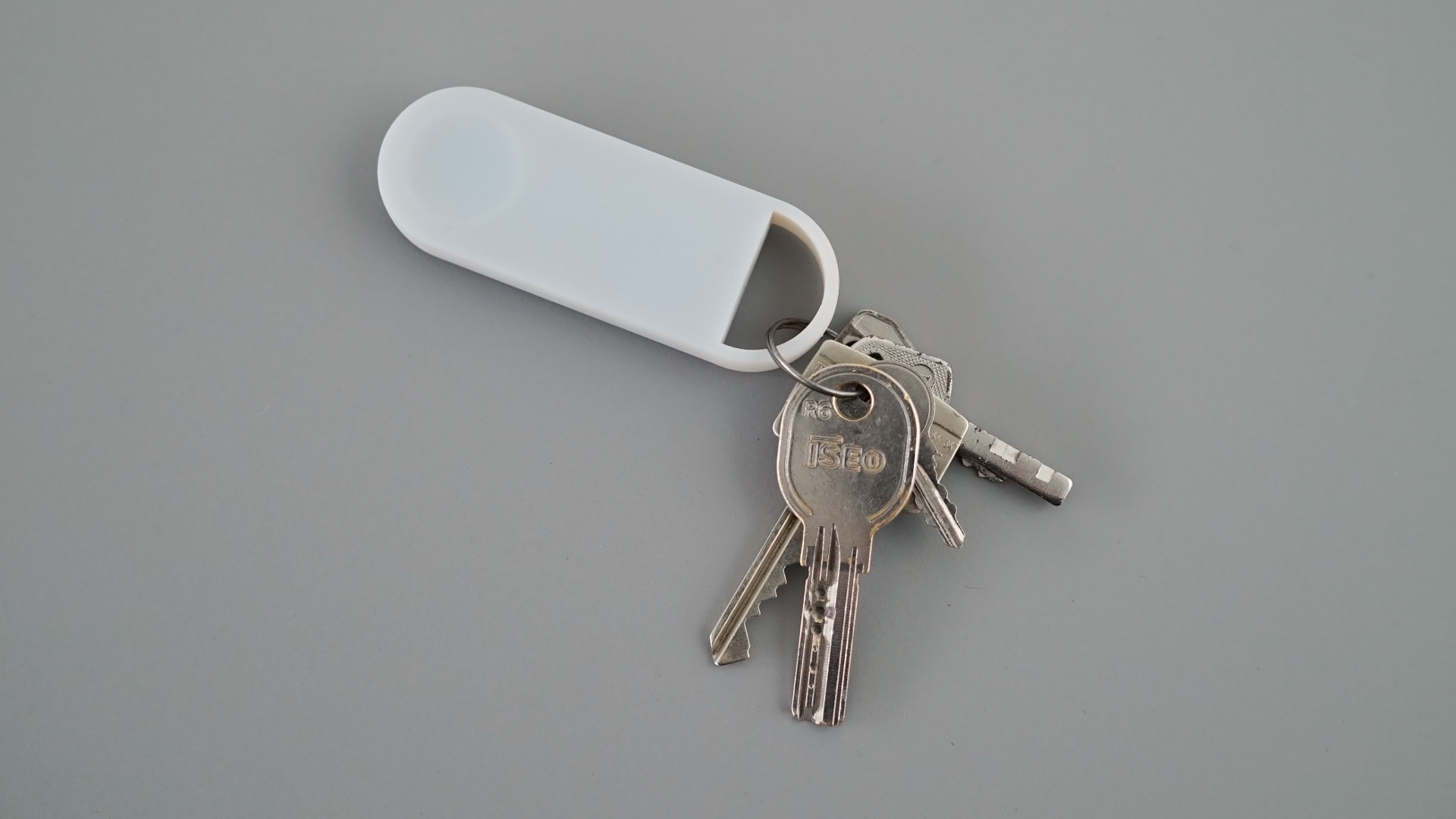
What does an interface look like when the car drives itself? The oneButton was developed at Volkswagen Group Future Center Europe as part of Sedric, the Volkswagen Group’s Level 5 autonomous mobility vision. With no steering wheel, no pedals, and no traditional controls, the entire interaction with a vehicle had to be rethought from scratch.
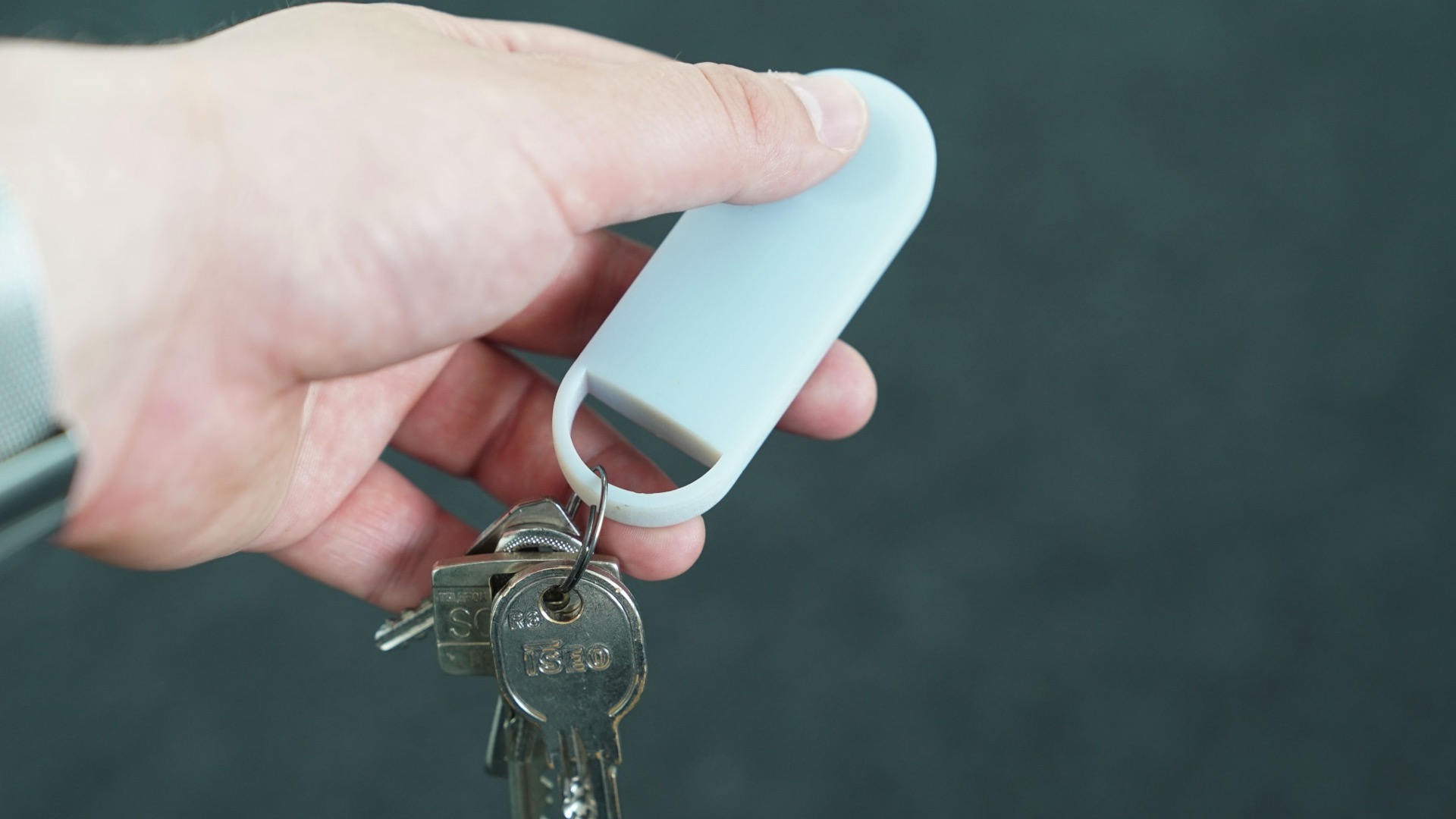
The Challenge: reduce everything to a single physical interaction. A handheld button that translates the full complexity of autonomous mobility into one intuitive action. It must be accessible to everyone, regardless of age, ability, or digital literacy.
Why a single button? It is deliberate design decision, not a technical limitation. When the system is intelligent enough, the interface can disappear. The challenge was not to simplify the button, but to make everything behind it smart enough that one button was genuinely sufficient.

Design Methodology & Development Process
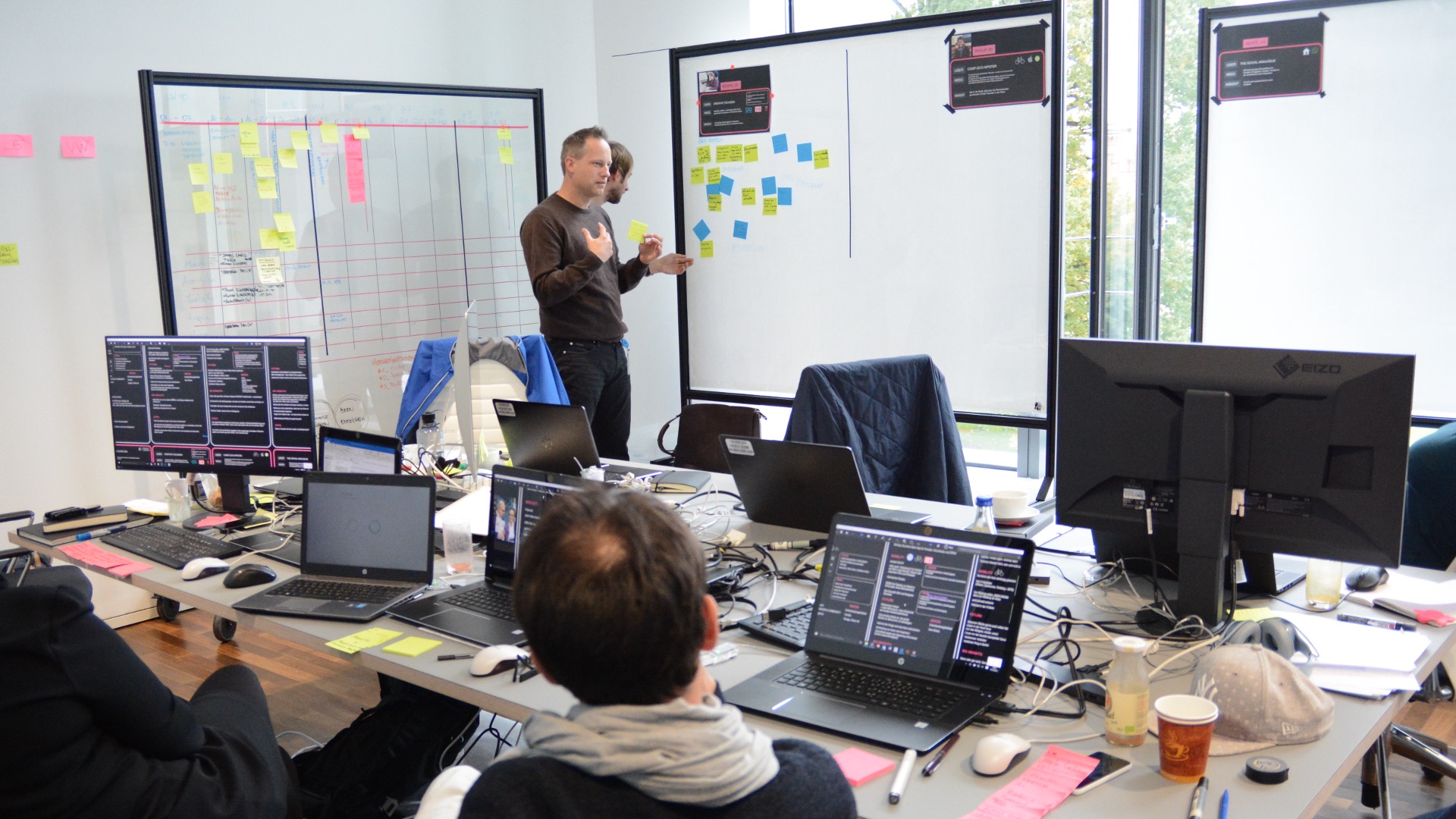
The project followed a strict Design Thinking approach, focusing on user needs, rapid experimentation, and iterative learning. Within a highly diverse team of experts from UX, technical engineering, psychology until exterior and interior design, the oneButton concept has been developed in fast paced agile setup.

Empathize
- Stakeholder interviews in urban areas (London + Berlin)
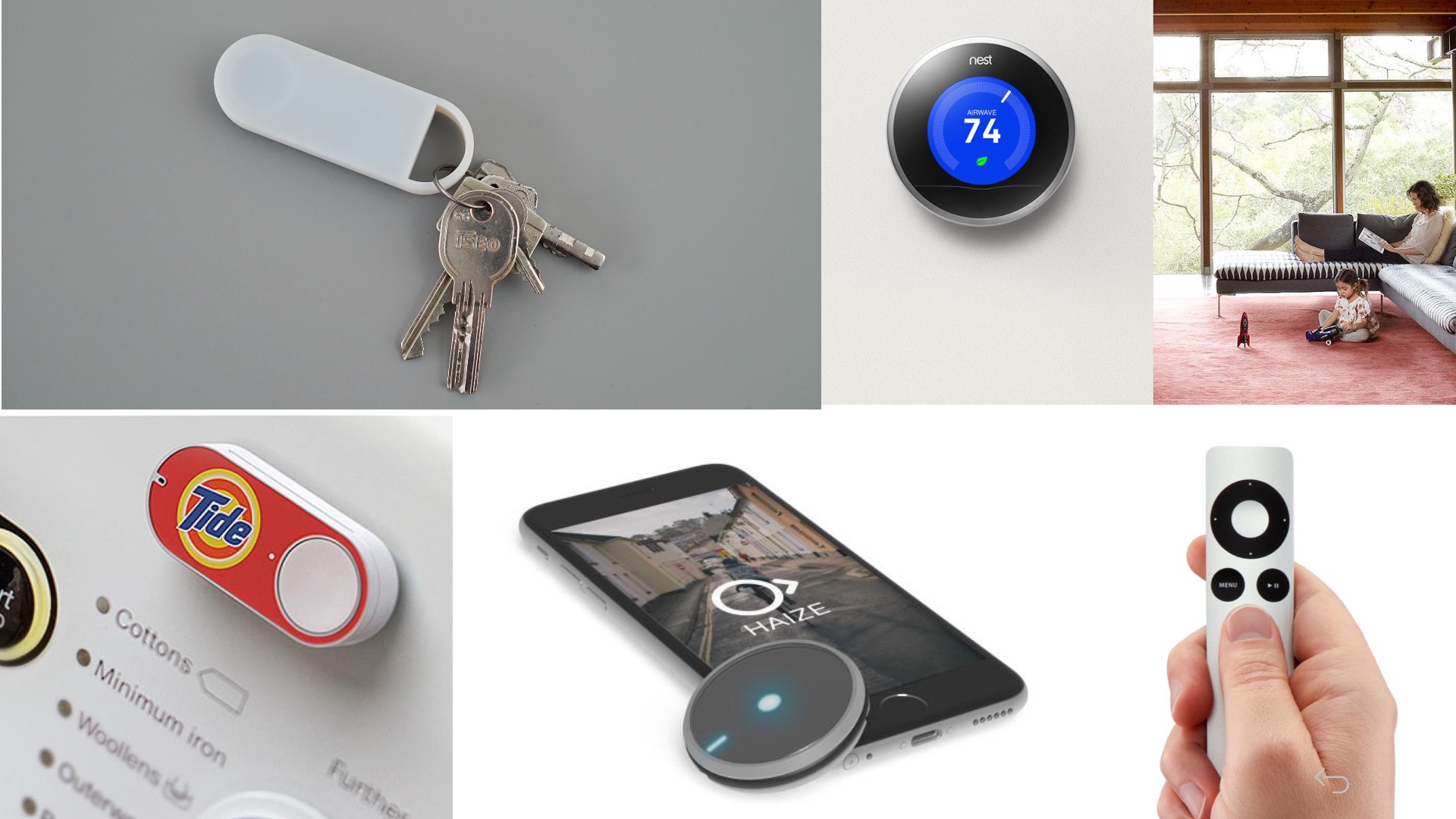
- Desktop Research in competitive products and devices
- Accessibility considerations for inclusive solutions
Define
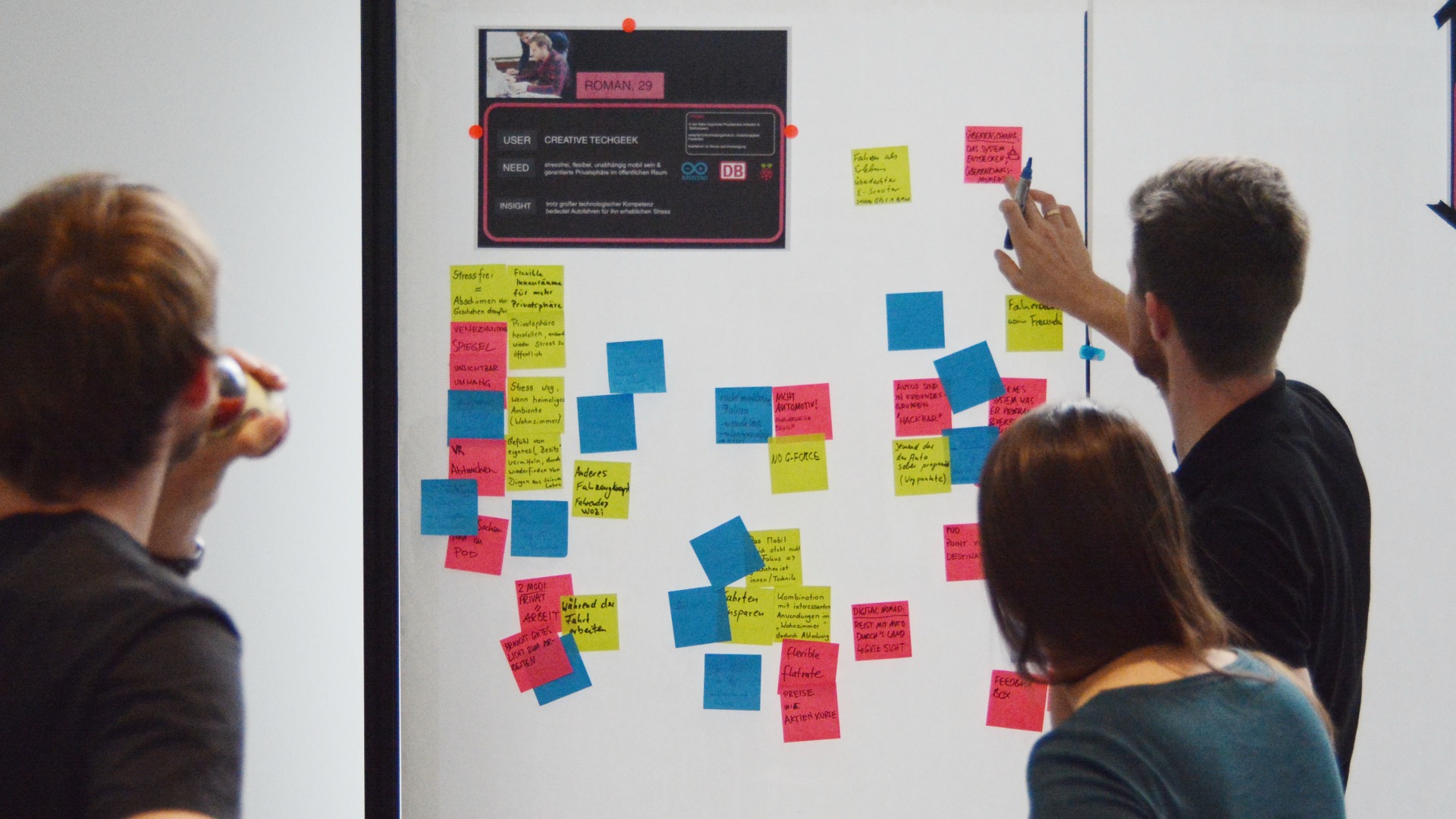
- Framing the core interaction challenge trough working on personas
- Translating the Sedric vision into a clear use case spotting the entering scenario
- Defining simplicity as the main design principle through similar products and how users are using them
Ideate
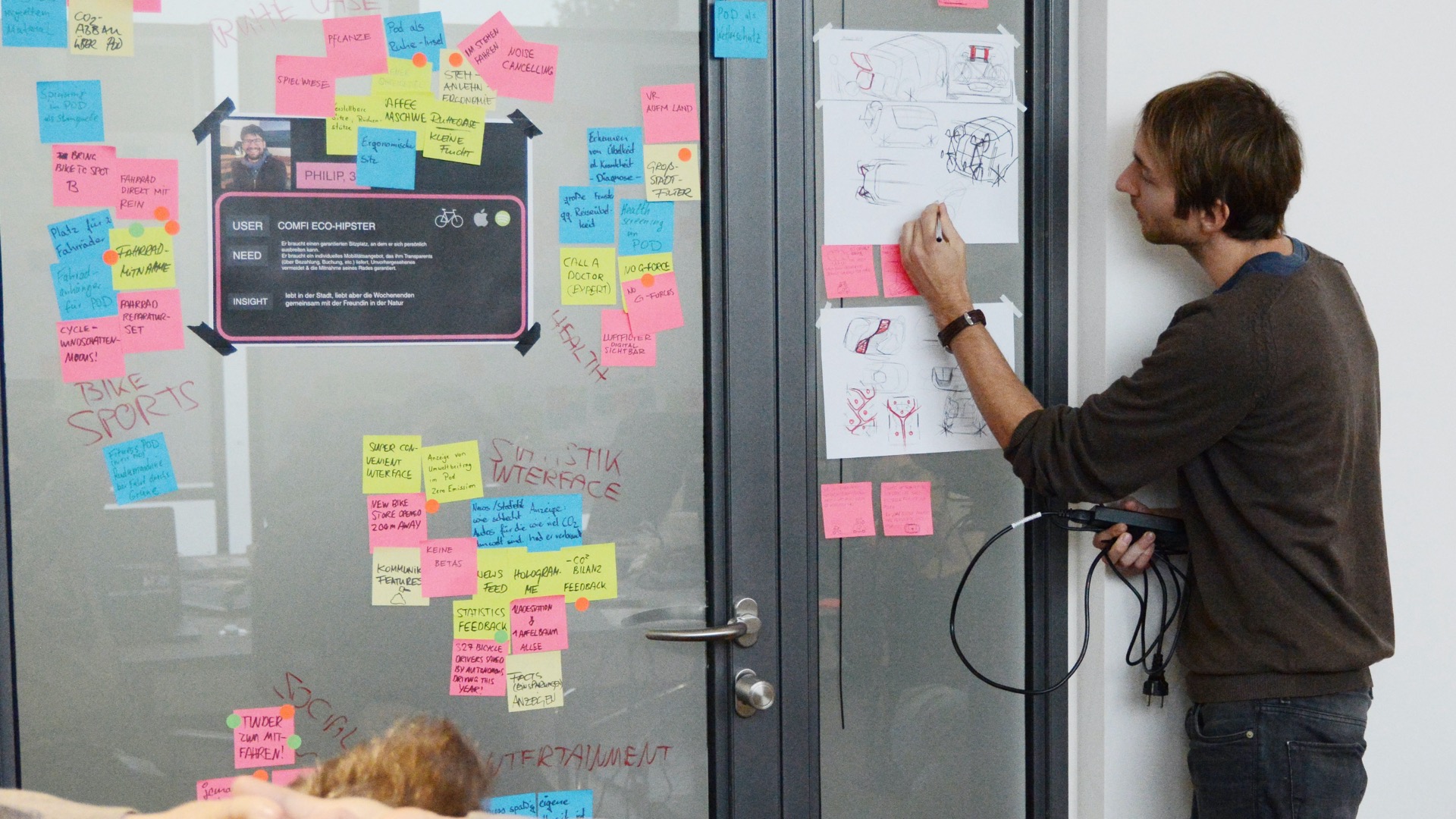
- Brainstorming sessions and sketching with all members of the team
- Sketching interaction concepts and quick paper prototyping
- Exploring alternative interface forms and questioning already existing solutions
Prototype
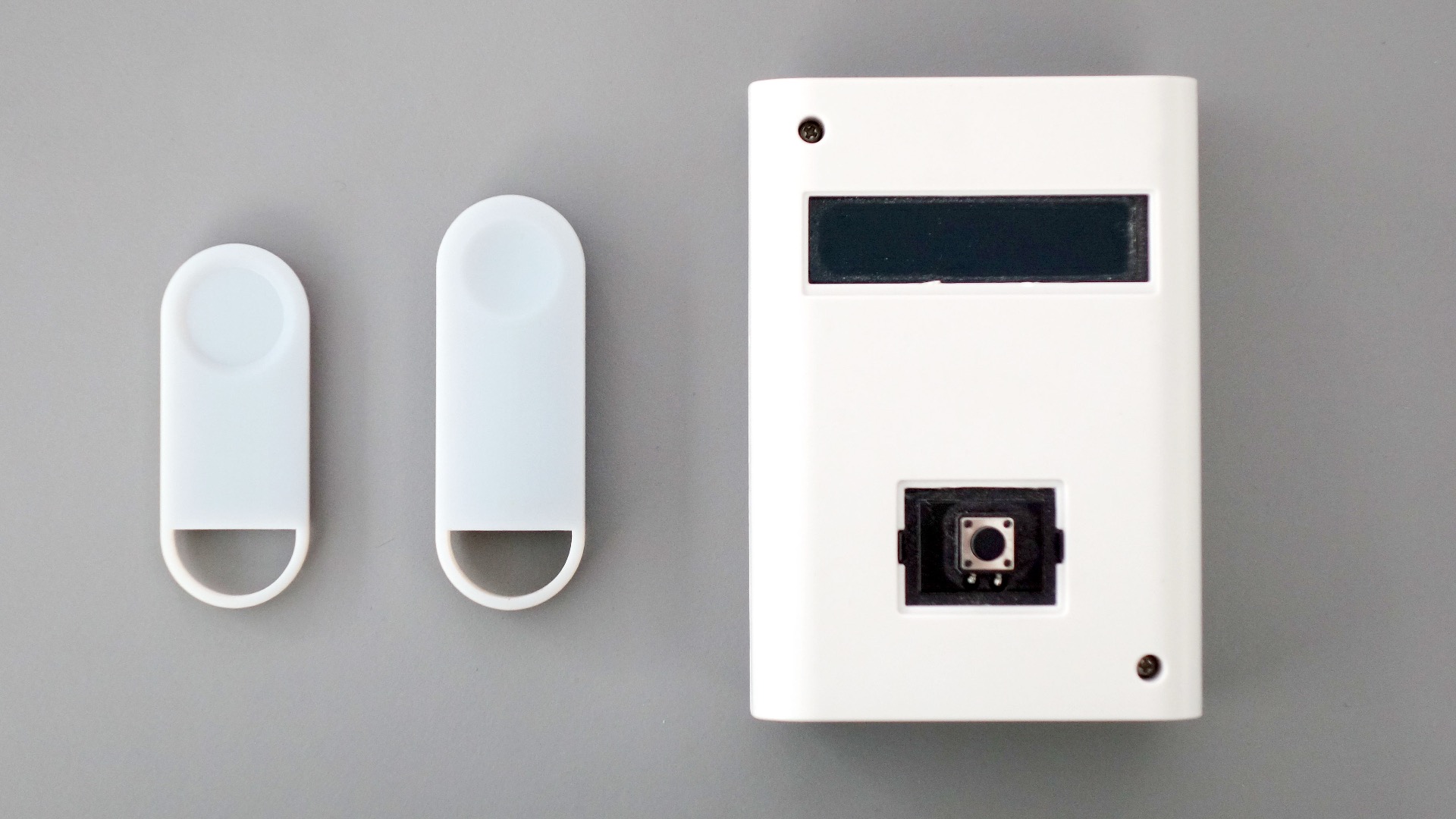
- Physical form studies as 3D-Prints for physical impression
- Interactive prototypes with feedback mechanisms with Arduino Prototype in 3D-printed box
Test
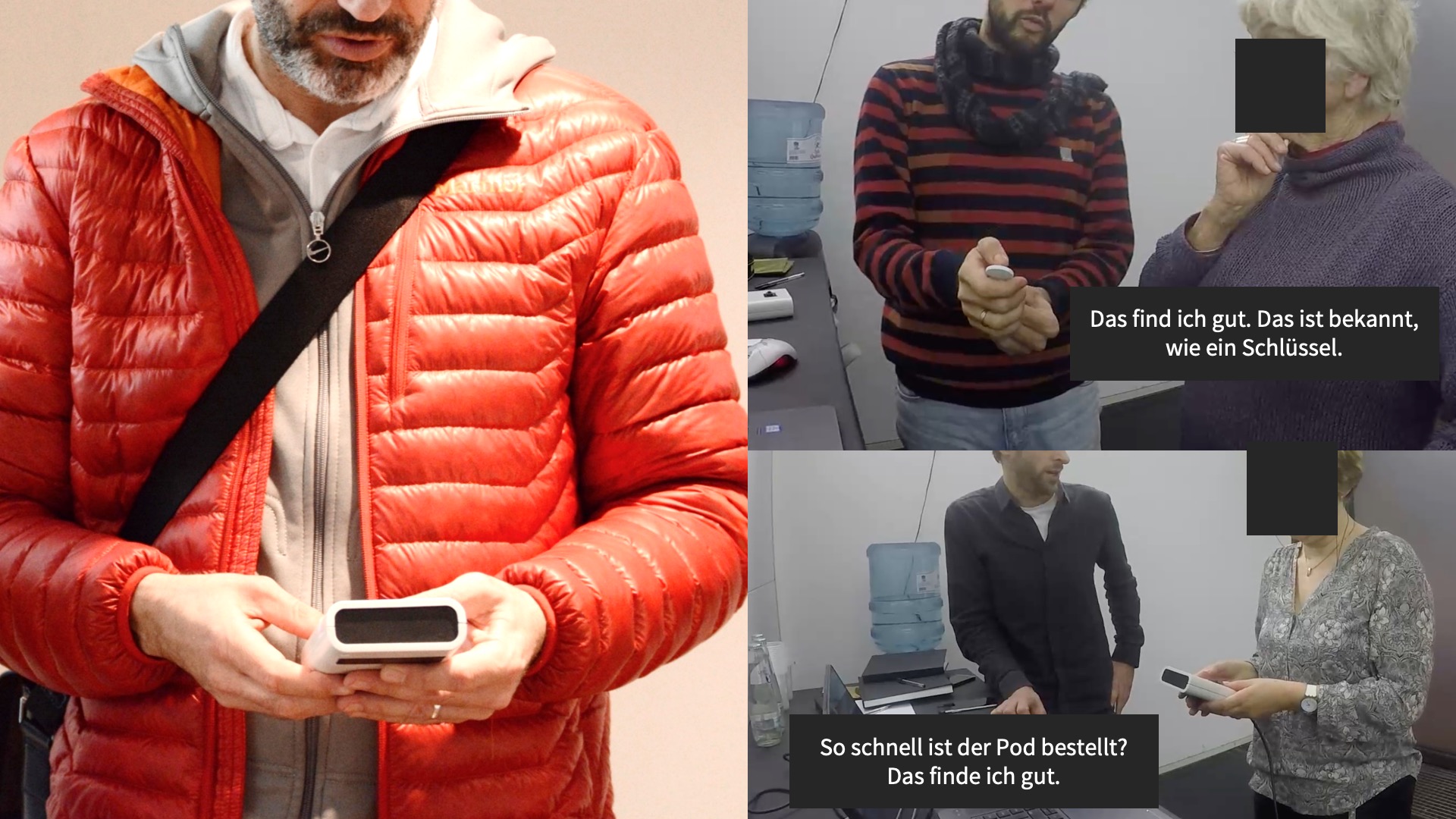
- User testing with up to 10 different users (families, impaired persons, commuters, …)
- Iterative refinement of form and feedback for the final product
- Evaluation of clarity, trust, and ease of use
My Role & Responsibilities
I was part of the core UX team at Volkswagen Future Center Europe, contributing across the full arc of the project.
Concept & Interaction Design:
- Contributed to core concept development including the fundamental decision to reduce the interface to a single physical interaction
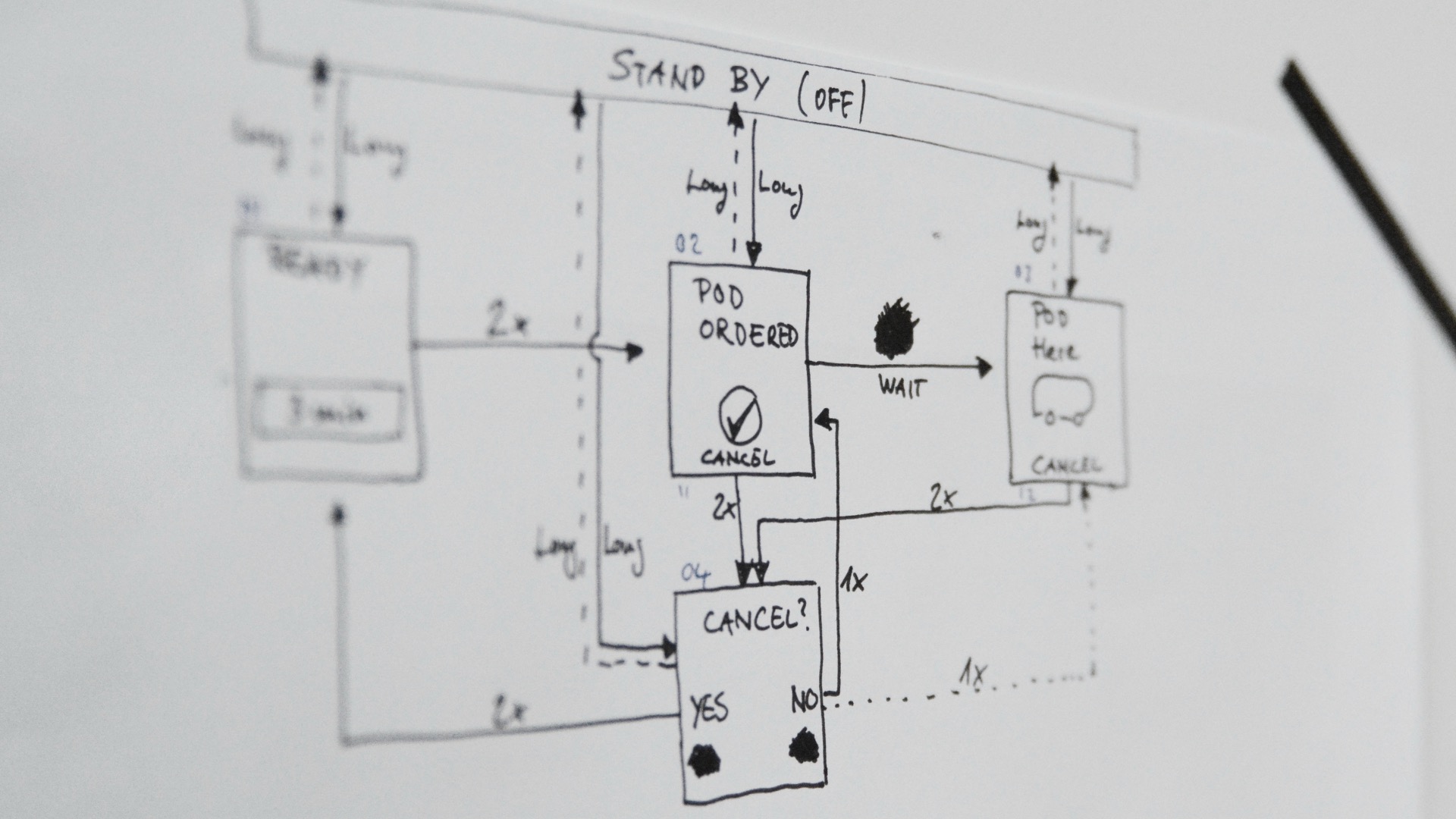
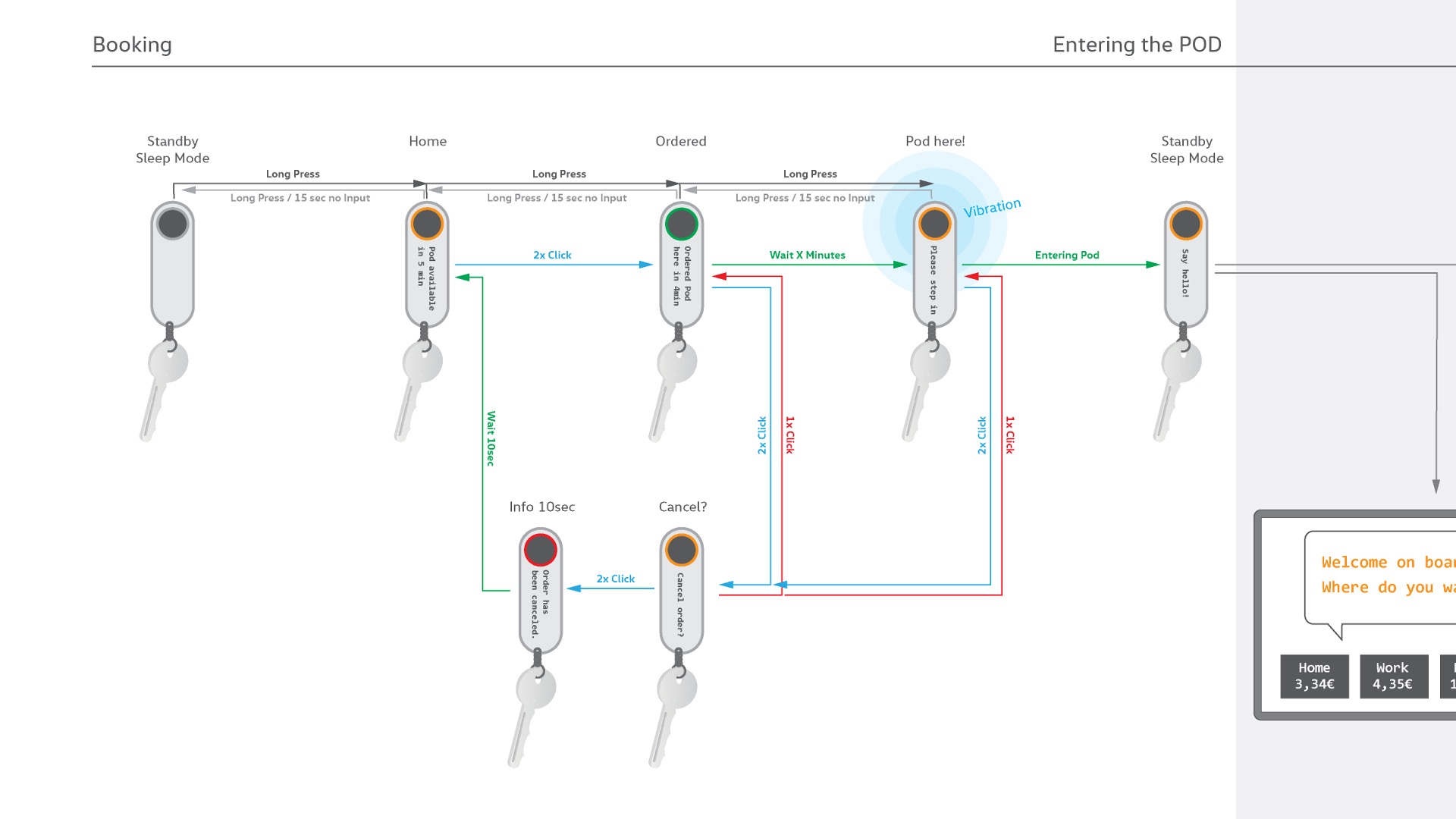
- Designed key interaction patterns and feedback mechanisms by defining how the button communicates state, confirmation, and response
- Translated autonomous mobility scenarios into concrete, testable interaction flows
Physical Prototyping:
- Participated in hands-on prototype development across multiple iterations
- Contributed to material choices, haptic feedback design, and ergonomic proportions
Stakeholder & Presentations:
- Presented concepts and prototypes to internal Volkswagen Group stakeholders
- Communicated design decisions across UX, engineering, and executive levels
Impact for the Volkswagen Group
The oneButton interaction concept was granted international patent protection, confirming its originality as a novel human-machine interface for autonomous mobility.
It demonstrated how complex autonomous systems can be translated into simple, human-centered interactions. For the Volkswagen Group Company it provided a clear vision of:
- A tangible interface concept aligned with the Sedric vision
- Insights into intuitive interaction design for autonomous mobility
- A prototype that connects strategic innovation with real user experience
By focusing on clarity and accessibility, the project supported Volkswagen Group’s ambition to make autonomous mobility understandable and usable for everyone.
- Spiegel Press – 07/03/2027: “VW Sedric: Käfer ruft KITT”
- Springer Professional – 07/03/2017: Volkswagen-Studie Sedric fährt autonom auf Knopfdruck
- Focus – 04/01/2018: Mobilität auf Knofpdruck: VW bringt 2021 selbstfahrendes Auto in Serie
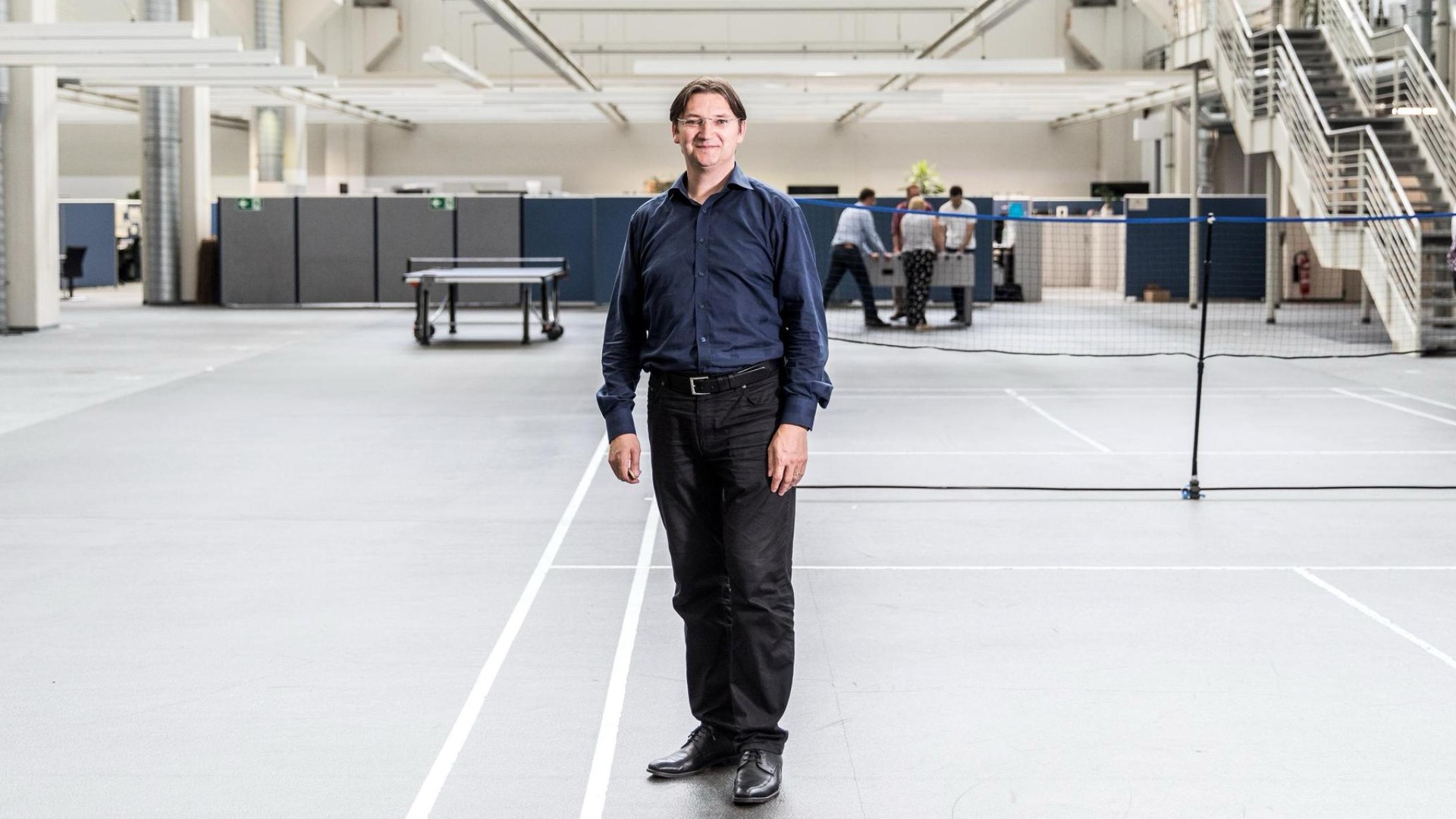


Our vision is ‘mobility for all, at the push of a button’. This means that we want to offer mobility for all people around the world… ‘At the push of a button’ stands for simplicity and the easiness of use.
Why this still matters in 2026
Beyond automotive, the oneButton principle — radical simplicity as a response to radical complexity — is one of the defining design challenges of AI-driven products. When the system is intelligent enough, the interface can disappear. That insight, explored physically and tested with real users at Volkswagen Group Future Center Europe in 2016–2017, is exactly the thinking that drives the best AI product design in 2026.